
Following spinal surgery, a structured exercise program is crucial for optimal recovery and long-term function; maintaining a maintenance program is vital.
Physical therapy rehabilitation plays a key role in assessing and managing patients undergoing lumbar spinal surgery, both before and after the procedure.
Rehabilitation protocols, like those for lumbar spinal fusion, emphasize early mobilization and gentle range of motion to aid in a successful recovery.
Understanding the Importance of Rehabilitation
Post-operative rehabilitation following back surgery isn’t merely beneficial – it’s fundamentally essential for restoring function, reducing pain, and preventing future complications. A well-designed exercise program, often outlined in a post-operative lumbar spinal fusion protocol, directly impacts the success of the surgical intervention.
Effective rehabilitation addresses muscle weakness, stiffness, and impaired movement patterns that inevitably develop after surgery. Early mobilization and gentle exercises, like ankle pumps and pelvic tilts, prevent deconditioning and promote circulation. As healing progresses, strengthening exercises, such as bridging and bird dogs, rebuild core stability and support the spine.
Furthermore, consistent adherence to a physical therapy plan improves functional outcomes, enabling patients to return to daily activities with confidence. The FASTER program highlights the importance of exercise and rehabilitation in improving function after spinal treatment. Regular pain relief facilitates participation in these vital exercises, accelerating the recovery process.
Types of Back Surgery & Corresponding Exercise Plans
Exercise plans post-back surgery are highly individualized, dictated by the specific procedure performed. Lumbar spinal fusion, for instance, necessitates a cautious, phased approach, beginning with early mobilization and progressing to core strengthening. Protocols emphasize avoiding movements that stress the fusion site.
Conversely, procedures like microdiscectomy may allow for a quicker return to activity, with a focus on restoring range of motion and addressing muscle imbalances. Regardless of the surgery type, initial phases prioritize gentle exercises – ankle pumps, pelvic tilts, and log rolling – to improve circulation and prevent stiffness.
As healing advances, rehabilitation progresses to include back extensions, cat-cow stretches, and eventually, functional exercises mimicking daily movements. A comprehensive post-operative lumbar spine protocol considers individual needs and adapts the program accordingly, ensuring safe and effective recovery.

Phase 1: Immediate Post-Operative Exercises (0-6 Weeks)
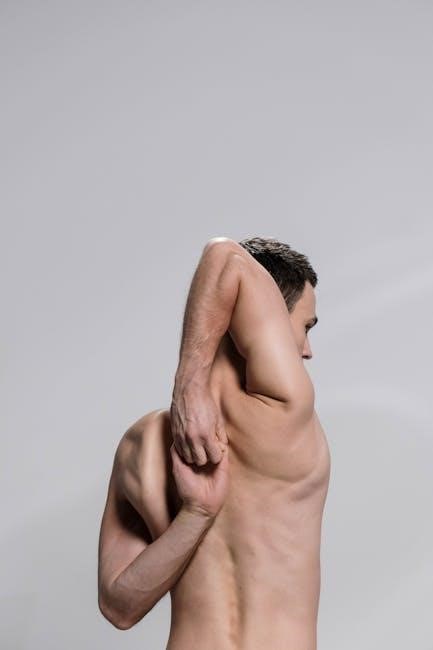
Early mobilization and gentle range of motion are key during this phase, including ankle pumps, calf stretches, pelvic tilts, and log rolling exercises.
Early Mobilization & Gentle Range of Motion
Commencing gentle movements shortly after surgery is paramount for preventing complications like stiffness and blood clots, and for initiating the healing process. These initial exercises focus on regaining a basic level of mobility without placing undue stress on the surgical site. Ankle pumps, performed by pointing and flexing the feet, promote circulation in the legs.
Gentle range of motion exercises, such as controlled knee bends and shoulder rolls, help maintain joint flexibility. Log rolling, a technique where you gently rotate your body while keeping your shoulders and hips aligned, aids in regaining core control and prevents twisting. Remember to perform these movements slowly and within a pain-free range, always listening to your body’s signals. Regular pain relief is essential to comfortably participate in these vital exercises, enabling movement and initiating walking soon after surgery.
Ankle Pumps & Calf Stretches
Ankle pumps and calf stretches are foundational exercises in the immediate post-operative phase, primarily aimed at enhancing circulation and preventing deep vein thrombosis (DVT). To perform ankle pumps, lie on your back and alternately point your toes towards your head and then away from your head, repeating this motion frequently throughout the day.
Calf stretches can be initiated gently by extending your leg and flexing your foot, feeling a stretch in the calf muscle. These exercises, while seemingly simple, are crucial for maintaining blood flow and reducing swelling in the lower extremities. Doing your exercises and walking will aid in your recovery. Remember to perform these movements slowly and consistently, adhering to any limitations advised by your physical therapist.
Pelvic Tilts & Abdominal Bracing
Pelvic tilts and abdominal bracing are essential early-stage exercises focused on gently activating core muscles without placing undue stress on the surgical site. For pelvic tilts, lie on your back with knees bent and feet flat. Gently flatten your lower back against the floor by tightening your abdominal muscles and tilting your pelvis upward.
Abdominal bracing involves subtly engaging your core muscles as if preparing for a gentle punch, maintaining a neutral spine. These exercises help restore core stability and prepare the body for more advanced movements. Regular pain relief is essential as it will enable you to move comfortably around the bed and carry out these vital exercises.
Log Rolling Exercises
Log rolling is a foundational exercise for regaining controlled movement after back surgery, particularly following procedures like spinal fusion. Lie on your back with knees bent and arms extended to the sides. Keeping your shoulders flat on the surface, gently roll your entire body as a single unit from side to side, similar to a log.
Avoid twisting or lifting with your arms; the movement should originate from your core and hips. This exercise improves rotational mobility and strengthens the muscles responsible for stabilizing the spine. Doing your exercises and walking will aid in your recovery, and log rolling is a crucial first step.

Phase 2: Intermediate Rehabilitation (6-12 Weeks)
During this phase, focus shifts to core strengthening, gentle back extensions, and the cat-cow stretch, alongside gradually increasing activity levels like short walks.
Core Strengthening Exercises
Core strengthening is paramount during intermediate rehabilitation (6-12 weeks post-surgery), focusing on stabilizing the spine and improving functional movement patterns. These exercises aren’t about building “six-pack” abs, but rather engaging the deep muscles that support the back. Begin with gentle activations, like drawing the navel towards the spine while maintaining a neutral pelvic position – this is abdominal bracing.
Progress to modified planks, starting on your knees, ensuring your back remains straight and avoiding any sagging or arching. Bird dog exercises, performed slowly and with controlled movements, also effectively engage the core while promoting spinal stability. Remember to prioritize proper form over repetitions; quality is far more important than quantity. Listen to your body and stop if you experience any pain. Consistent, mindful core work will lay the foundation for advanced strengthening and a successful return to activity.
Back Extension Exercises (Gentle)
Gentle back extension exercises, introduced during the intermediate phase (6-12 weeks post-op), cautiously rebuild strength in the spinal muscles. These should always be performed with controlled movements and within a pain-free range. Begin with prone press-ups – lying face down, gently lift your chest off the floor using your back muscles, keeping your hips grounded. Start with small lifts and gradually increase the range of motion as tolerated.
Avoid any forceful or jerky movements. Another option is a standing back extension, supporting yourself with your hands on your lower back and gently leaning backward. Remember, the goal isn’t to achieve a large range of motion, but to safely re-engage the back extensors. Prioritize proper form and listen attentively to your body’s signals, stopping immediately if pain arises.
Cat-Cow Stretch
The Cat-Cow stretch, a cornerstone of intermediate rehabilitation (6-12 weeks post-surgery), promotes spinal mobility and gently strengthens core muscles. Begin on your hands and knees, ensuring your back is flat. Inhale as you drop your belly towards the floor, arching your back and lifting your head and tailbone – this is the “Cow” pose.
Exhale as you round your spine towards the ceiling, tucking your chin to your chest and drawing your abdomen inward – the “Cat” pose. Repeat this flowing movement slowly and rhythmically, coordinating your breath with each pose. Focus on gentle articulation of the spine, avoiding any sharp or sudden movements. This stretch enhances flexibility and reduces stiffness, aiding in overall recovery.
Short Walks & Gradual Increase in Activity
As part of intermediate rehabilitation (6-12 weeks post-surgery), incorporating short walks is vital for restoring functional capacity and improving cardiovascular health. Begin with brief walks on a level surface, gradually increasing the duration and distance as tolerated. Listen attentively to your body, stopping if you experience any pain or discomfort.
Alongside walking, slowly reintroduce everyday activities, avoiding strenuous movements or heavy lifting. Doing your exercises and walking will aid in your recovery process. The goal is a progressive return to normal activity levels, building endurance and confidence. Regular pain relief facilitates comfortable movement, enabling consistent exercise and walking, crucial for a successful recovery.

Phase 3: Advanced Strengthening & Functional Exercises (12+ Weeks)
This phase focuses on building strength and endurance with exercises like bridging, bird dogs, and modified crunches, alongside low-impact aerobic activity.
Bridging Exercises
Bridging is a fantastic exercise to progressively strengthen your glutes, hamstrings, and core – all vital for supporting your lower back after surgery. Begin by lying on your back with your knees bent and feet flat on the floor, hip-width apart. Ensure your back is in a neutral position, maintaining a slight natural curve.
Engage your abdominal muscles and gently lift your hips off the floor, creating a straight line from your shoulders to your knees. Avoid arching your back excessively or squeezing your glutes too tightly at first. Hold this position for a few seconds, focusing on maintaining core engagement, then slowly lower your hips back down.
As you gain strength, you can increase the hold time or add resistance by placing a small weight or resistance band across your hips. Proper form is paramount; prioritize controlled movements over height. Bridging helps improve pelvic stability and prepares you for more demanding functional activities.
Bird Dog Exercise
The Bird Dog is an excellent exercise for enhancing core stability and improving coordination, crucial elements in post-back surgery rehabilitation. Start on your hands and knees, ensuring your hands are directly under your shoulders and your knees are under your hips. Maintain a neutral spine – avoid rounding or arching your back.
Simultaneously extend one arm straight forward and the opposite leg straight back, keeping your core engaged to prevent rotation. Imagine balancing a glass of water on your lower back; this encourages stability. Hold this position briefly, focusing on maintaining a straight line from your hand to your heel.
Slowly return to the starting position and repeat on the other side. Focus on controlled movements and avoid rushing. This exercise strengthens the muscles that support your spine and improves balance, preparing you for daily functional activities.
Partial Crunches (Modified)
Modified partial crunches gently engage abdominal muscles, supporting spinal stability post-surgery. Lie on your back with knees bent and feet flat on the floor. Place your hands lightly behind your head, avoiding pulling on your neck. Initiate the movement by gently lifting your head and shoulders off the floor, focusing on contracting your abdominal muscles.
Avoid a full sit-up; the goal is a small, controlled lift. Maintain a neutral spine and prevent straining. Hold the contracted position briefly, then slowly lower back down. This modified approach minimizes stress on the surgical site while strengthening core muscles.
Remember to breathe throughout the exercise, exhaling as you lift and inhaling as you lower. Proper form is paramount; prioritize quality over quantity to prevent re-injury and promote effective core strengthening.
Low-Impact Aerobic Exercise (Walking, Swimming)
Low-impact aerobic exercises, such as walking and swimming, are crucial for cardiovascular health and overall recovery after back surgery. Walking should begin with short, gentle strolls, gradually increasing distance and pace as tolerated. Swimming offers buoyancy, reducing stress on the spine while providing a full-body workout.
These activities improve circulation, enhance endurance, and promote healing. Always listen to your body and avoid overexertion. Start slowly and progressively increase intensity and duration. Regular pain relief can enable comfortable movement and participation in these exercises.
Prioritize proper posture during walking and swimming to maintain spinal alignment. These exercises aid in a return to functional activities and contribute to long-term back health.
Specific Exercises for Lumbar Spinal Fusion
Post-operative lumbar spinal fusion protocols prioritize early mobilization and gentle exercises, while specific guidelines exist for anterior cervical spine fusion recovery.
Rehabilitation focuses on restoring function after spinal treatment, emphasizing exercise and a structured approach to improve functional outcomes post-surgery.
Post-Operative Lumbar Spinal Fusion Protocol
Following lumbar spinal fusion, a phased rehabilitation protocol is essential for a successful recovery. Initially, the focus is on early mobilization, including gentle range of motion exercises like ankle pumps and calf stretches, performed frequently throughout the day to promote circulation and prevent complications.
Pelvic tilts and abdominal bracing are introduced to stabilize the core without stressing the fusion site. Log rolling exercises facilitate safe position changes. As healing progresses, the protocol advances to core strengthening, gentle back extensions, and the cat-cow stretch.
Gradual increases in activity, such as short walks, are encouraged. Later phases incorporate bridging exercises, bird-dog exercises, and modified partial crunches. Low-impact aerobic exercise, like walking or swimming, further enhances recovery. Regular pain management is vital, enabling comfortable movement and adherence to the exercise program.
Exercises to Avoid After Lumbar Fusion
Post-operative lumbar fusion necessitates avoiding certain movements and exercises that could compromise the healing process and fusion stability. High-impact activities, such as running, jumping, and heavy lifting, are strictly prohibited during the initial recovery phases, potentially disrupting the fusion site;
Twisting motions and excessive bending forward should also be avoided, as they place undue stress on the spine. Deep squats and sit-ups are generally contraindicated, as they can strain the lower back. Avoid any exercise that causes significant pain or discomfort.
Prioritize listening to your body and adhering to your physical therapist’s specific recommendations. Gradually reintroduce activities only when cleared by your healthcare provider, ensuring proper form and technique to prevent re-injury and promote long-term spinal health.

Pain Management & Exercise
Regular pain relief is essential for comfortable movement, enabling vital exercises and initiating walking soon after surgery, aiding in overall recovery.
The Role of Pain Relief in Exercise Adherence
Effective pain management is fundamentally linked to a patient’s ability and willingness to actively participate in a post-operative exercise program following back surgery. Uncontrolled pain significantly hinders exercise adherence, creating a detrimental cycle where reduced activity leads to increased stiffness and potentially, heightened pain levels.
Adequate pain relief allows individuals to move more comfortably, facilitating the performance of prescribed exercises with proper form and minimizing the fear of exacerbating their condition. This, in turn, builds confidence and encourages consistent engagement with the rehabilitation protocol.
Furthermore, the ability to walk and perform daily activities without significant discomfort is directly correlated with improved functional outcomes and a faster return to a desired quality of life. Prioritizing pain control, therefore, isn’t simply about symptom management; it’s a crucial component of successful rehabilitation and long-term spinal health.
Listening to Your Body & Avoiding Overexertion
A cornerstone of successful post-operative rehabilitation after back surgery is cultivating a heightened awareness of your body’s signals. While consistent exercise is vital, pushing through significant pain is counterproductive and potentially harmful. It’s crucial to differentiate between the expected discomfort of muscle engagement and sharp, escalating pain that indicates overexertion.
Pay close attention to any increase in pain, swelling, or stiffness following exercise. Modify the activity, reduce the intensity, or take a break if needed. Remember, progress is rarely linear; setbacks are normal, and adjusting your program based on your body’s response is essential.
Prioritize gradual progression and avoid the temptation to accelerate your recovery. Respecting your limitations and listening to your body’s cues will ultimately lead to a more sustainable and effective rehabilitation journey.
Resources & PDF Downloads
Reliable exercise guides in PDF format are available online, but always consult a physical therapist for personalized plans post-surgery for optimal results.
Finding Reliable Exercise Guides (PDF Format)
Locating trustworthy exercise guides in PDF format requires careful consideration, as the quality and appropriateness of information can vary significantly. Numerous hospitals and medical centers, such as Lahey Hospital & Medical Center, often provide downloadable rehabilitation protocols specifically designed for post-operative lumbar spinal fusion patients.
These PDFs typically outline phased exercise programs, detailing movements for each stage of recovery – from immediate post-operative care to advanced strengthening. However, it’s crucial to remember that these are general guidelines. Always prioritize resources originating from reputable healthcare institutions or developed in collaboration with qualified physical therapists.
Be cautious of generic guides found on less-established websites. Look for PDFs that clearly state the source, author qualifications, and date of publication. A good resource will also emphasize the importance of individual assessment and modification of exercises based on your specific surgical procedure and progress. Remember, a personalized approach is key to a safe and effective recovery.
Consulting with a Physical Therapist
While downloadable exercise guides (PDF format) can be helpful supplements, they should never replace the expertise of a qualified physical therapist. A therapist will conduct a thorough assessment of your individual condition, considering your specific surgery type, overall health, and pain levels.
They can then create a customized rehabilitation plan tailored to your needs, ensuring exercises are performed correctly and safely. This personalized approach is particularly vital after procedures like lumbar spinal fusion, where proper biomechanics are crucial for successful healing.
A physical therapist can also address any concerns or limitations you may have, modify exercises as you progress, and provide guidance on pain management. They’ll monitor your form, preventing potential injuries and maximizing the effectiveness of your recovery program. Don’t hesitate to seek their professional guidance for optimal results.