
Navigating Volkswagen repairs often benefits from understanding component commonality; this guide details VW parts interchangeability, aiding cost-effective restoration and maintenance endeavors.
Volkswagen’s engineering philosophy, spanning decades, has fostered a remarkable degree of parts interchangeability across various models and even years. This characteristic stems from the VW Group’s practice of utilizing shared platforms and components, simplifying manufacturing, reducing costs, and streamlining the supply chain. Understanding this interchangeability is crucial for enthusiasts, mechanics, and restorers seeking to maintain or repair these vehicles.
The ability to utilize parts from different VW models can significantly reduce repair expenses and sourcing difficulties, particularly for older or less common vehicles. However, it’s not a universal rule; variations exist, and careful verification is essential. This guide aims to provide a foundational understanding of these principles, empowering you to make informed decisions when procuring VW parts.
Understanding VW Group Part Numbering System
The VW Group’s part numbering system, rooted in designs from the 1930s, is a complex yet logical structure. Each part number contains valuable information regarding the component’s function and compatibility. While seemingly daunting, deciphering this system unlocks a deeper understanding of interchangeability. The system utilizes a series of digits and letters, categorizing parts into main groups and subgroups.
For instance, a part number’s subgroup, like ‘98’, consistently indicates a repair kit. Recognizing these patterns allows for efficient parts identification and cross-referencing. Though the system has evolved, its core principles remain consistent, facilitating the identification of suitable replacements across different models and production years. Mastering this system is key to maximizing interchangeability benefits.
Historical Overview of Interchangeability (Pre-1965 & Beyond)
Early Volkswagen designs, particularly pre-1965, exhibited a remarkably high degree of parts interchangeability. This stemmed from a deliberate engineering philosophy focused on simplicity and cost-effectiveness. The iconic Beetle, for example, shared numerous components across various production years, simplifying repairs and reducing inventory needs. This ease of interchange continued as VW expanded its model range.
However, as models diversified and technology advanced, interchangeability became more nuanced. While core components often retained compatibility, unique features and model-specific updates introduced limitations. Despite these changes, the fundamental principle of shared parts persisted, making VWs relatively easy to maintain and modify. Understanding this historical context is crucial when sourcing replacement parts.
Common Interchangeable Parts Between Models
Across the VW lineup, several parts demonstrate significant interchangeability. Engine components, like distributors and certain fuel system elements, frequently share compatibility between models and even across different years. Similarly, many suspension parts – including shocks, springs, and bushings – can be utilized on various VW platforms.
The Jetta and Passat, sharing platforms, exhibit extensive parts overlap, simplifying repairs and upgrades. Even the classic Beetle shares components with later models, though careful verification is essential. Repair kits, identified by the subgroup ’98’ in part numbers, often contain interchangeable components for multiple applications. Recognizing these commonalities streamlines the parts sourcing process and reduces repair costs.
Engine Components – Interchangeability Details
Engine interchangeability within the VW Group is nuanced. Distributors, for example, can often be swapped between similar engine families, but specific years might present compatibility issues; Fuel system parts, like fuel pumps and injectors, demonstrate interchangeability, particularly within the same engine code. However, modifications or upgrades may necessitate specific components.
Careful attention must be paid to engine size and code when sourcing parts. While some components are broadly compatible, one-year-only parts exist, demanding precise identification. Understanding the VW Group part numbering system is crucial for accurate matching. Always verify compatibility using interchange manuals or online resources before making a purchase to avoid costly errors and ensure proper engine function.
Fuel System & Exhaust System – Shared Parts
Fuel system components, including fuel lines, filters, and occasionally fuel tanks, exhibit significant interchangeability across various VW models and even years, particularly within the same platform. Exhaust systems, however, require more careful consideration. While some exhaust manifolds and downpipes may fit across similar engines, catalytic converters and mufflers often vary due to emissions regulations and model-specific designs.
Shared engineering principles mean certain fuel pump types are common. However, always confirm compatibility based on engine code and year. Exhaust system fitment can be affected by body style (sedan, wagon, etc.). Utilizing master vehicle compatibility charts and repair kit identification (part number subgroup 98) is vital for accurate parts selection, ensuring a proper and functional fit.
Braking System – Compatible Components
Braking system parts demonstrate considerable interchangeability, especially concerning core components like brake rotors, pads, and calipers within the same vehicle class. Master cylinders and brake boosters can often be shared between models utilizing similar braking setups. However, ABS systems and related sensors require precise matching; variations exist even within the same year range.
Brake lines and hoses should be inspected for compatibility, considering length and fitting types. When sourcing parts, referencing master vehicle compatibility charts is crucial. Repair kits (identified by part number subgroup 98) often contain compatible components for specific models. Always prioritize safety and verify compatibility before installation, as incorrect brake parts can compromise vehicle safety.
Suspension Components – Commonality Across Models
Suspension parts frequently exhibit interchangeability, particularly shock absorbers, struts, and springs, especially between vehicles sharing a common platform. Control arms, bushings, and ball joints can also be shared, though variations exist based on trim level and optional equipment. However, careful consideration is needed when swapping suspension components between different models.
Differences in ride height or suspension tuning can affect handling and stability. Always verify compatibility using interchange manuals or online resources. Repair kits (part number subgroup 98) often bundle compatible bushings and hardware. When upgrading or replacing suspension parts, ensure proper alignment after installation to maintain optimal vehicle performance and tire wear.
Model-Specific Interchangeability Guides
Volkswagen’s diverse model range necessitates specific interchangeability guidance. The Jetta and Passat, sharing platforms, demonstrate significant parts overlap, simplifying repairs and upgrades. Golf and Jetta models also exhibit substantial commonality in many components. However, the classic Beetle presents unique challenges.
Classic Beetle interchange requires careful attention to year-specific variations. Some parts, like dashes in 1993 Jettas, are “one-year-only,” demanding precise sourcing. Utilizing master vehicle compatibility charts and dedicated interchange manuals is crucial. Understanding these model-specific nuances ensures accurate parts selection and avoids costly mistakes during restoration or repair projects.

Jetta & Passat Interchangeability
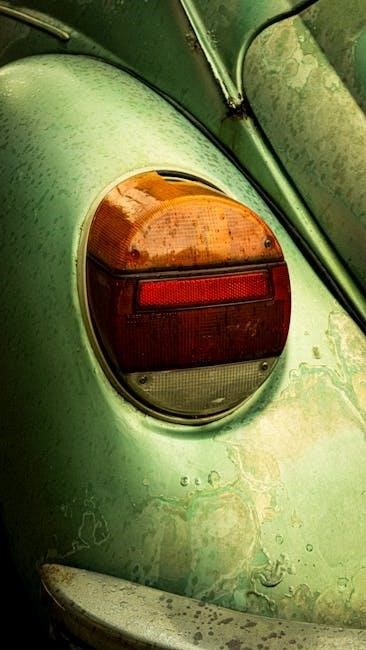
The Jetta and Passat, frequently sharing the same underlying platform across generations, exhibit a high degree of parts interchangeability. This commonality significantly streamlines repair processes and opens avenues for cost-effective upgrades. Many components, including certain engine parts, fuel system elements, and even some body panels, can be directly swapped between these models.
However, it’s vital to verify compatibility based on specific year and trim levels. While substantial overlap exists, variations do occur. Careful cross-referencing with parts catalogs or utilizing online resources is recommended. This shared engineering philosophy makes sourcing parts for either vehicle considerably easier and more affordable for enthusiasts and mechanics alike.

Golf & Jetta Interchangeability
The Volkswagen Golf and Jetta, historically built on shared platforms – particularly the A-series – demonstrate considerable parts interchangeability. This shared foundation translates to numerous components being directly compatible between the two models, simplifying repairs and modifications. Engine parts, suspension components, and many interior trim pieces often fit seamlessly.
However, discerning specific year-to-year compatibility is crucial. While a high degree of commonality exists, variations in trim levels and optional equipment can introduce differences. Always confirm part numbers or utilize comprehensive interchange guides before assuming compatibility. This shared lineage makes both vehicles attractive options for those seeking affordable and readily available parts.
Beetle (Classic) Interchangeability – Key Considerations
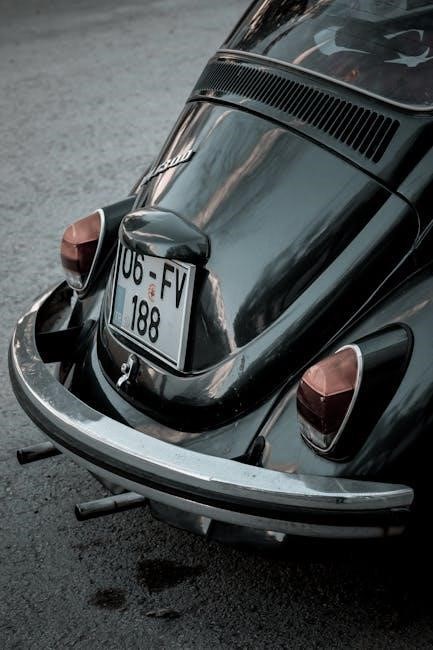
The classic Volkswagen Beetle, while iconic, presents unique interchangeability challenges. Parts from 1965 onwards generally exhibit greater compatibility due to standardized components introduced during that period. Earlier models (pre-1965) require more careful consideration, as design changes were more frequent.
Body panels, while seemingly interchangeable, can vary slightly depending on the year, impacting fitment. Engine components, particularly those related to ignition and fuel delivery, also experienced revisions. Utilizing a dedicated Beetle parts interchange manual is highly recommended. Remember that many Beetle parts are reproduced, offering alternatives to original equipment, but quality can vary significantly.
Year-to-Year Interchangeability
Generally, Volkswagen parts demonstrate substantial interchangeability from one year to the next within a specific model line. This characteristic simplifies sourcing components and reduces repair costs. However, this isn’t universally true; minor revisions and updates occur frequently. The 1965 model year often marks a significant shift, with increased standardization across various Beetle components.
It’s crucial to verify compatibility, especially for seemingly simple parts. Always consult interchange manuals or online resources to confirm fitment. Be aware of “one-year-only” parts, which are unique to a specific production year and can be difficult to locate. Careful research prevents wasted time and ensures a successful repair or restoration.
Identifying One-Year-Only Parts
Locating one-year-only parts presents a unique challenge for Volkswagen enthusiasts. These components, specific to a single production year, often lack direct replacements. A prime example is the 1993 Jetta dashboard, instrument surround, and headlight switch – unique to that model year. Identifying these parts requires diligent research using detailed interchange manuals and online databases.

Part numbers are critical; cross-referencing is essential. Online forums and VW-specific communities can provide valuable insights from experienced restorers. Be prepared for increased sourcing difficulty and potentially higher costs. Recognizing these unique parts early in a project prevents frustrating delays and ensures project authenticity.
Using Interchange Manuals & Online Resources
Effective parts sourcing relies heavily on utilizing dedicated resources. An 84-page VW parts interchange manual exists, designed to assist in original equipment part identification and procurement. Supplementing this, numerous online resources offer compatibility information, though verification is crucial.
Master vehicle compatibility charts, often available through parts suppliers (like the 1-888-825-6989 service line mentioned), provide a structured overview. Online forums and VW enthusiast websites are invaluable for real-world experience and part number cross-referencing. Remember to confirm information across multiple sources to avoid errors and ensure accurate part selection for your specific vehicle.
Repair Kit Identification (Part Number Subgroup 98)
Decoding VW part numbers reveals valuable information about the component. A consistent indicator of a repair kit is the presence of “98” as the subgroup within the part number. This signifies the part isn’t a standalone component, but a curated collection of parts designed for a specific repair task.
These kits streamline maintenance by providing all necessary items – gaskets, seals, clips, and sometimes even small tools – in one package. Identifying these kits simplifies ordering and ensures a complete repair. Understanding this numbering convention is crucial when navigating parts catalogs and online databases, saving time and preventing incomplete repair attempts.
Master Vehicle Compatibility Charts – Utilizing Resources
Comprehensive compatibility charts are indispensable tools for VW enthusiasts and mechanics. These charts, often available through parts suppliers or dedicated online resources, detail which parts fit across various VW models and years. They consolidate extensive data, eliminating guesswork and minimizing the risk of ordering incorrect components.
Accessing these resources, sometimes in 84-page manual format, can significantly streamline the parts selection process. Many suppliers also offer direct service departments (e.g., 1-888-825-6989) to assist with compatibility verification. Utilizing these charts, alongside online databases, ensures accurate parts identification and a successful repair, maximizing efficiency and cost-effectiveness.
Important Considerations & Potential Issues
While interchangeability is common, caution is crucial. Electrical components, for instance, may have subtle variations impacting functionality, demanding careful verification before installation. Body panel fitment can also present challenges, as slight manufacturing differences across years or models can lead to alignment issues.
One-year-only parts, like certain 1993 Jetta dashes, require specific sourcing. Always double-check part numbers and consult compatibility charts. Ignoring these considerations can result in wasted time, money, and frustration. Thorough research and a cautious approach are paramount to successful VW repairs, ensuring proper fit and operation.
Electrical Component Interchange – Cautions
Interchanging electrical parts requires meticulous attention to detail. Subtle differences in wiring harnesses, connectors, or even internal circuitry can cause significant issues. Components seemingly identical may utilize different revisions or calibrations, leading to malfunction or incompatibility with the vehicle’s systems.
Always verify part numbers and, if possible, compare the physical appearance of the components before installation. Be particularly cautious with modules like ECUs or comfort control units, as these are often model and year-specific. Incorrect electrical component swaps can damage sensitive electronics, necessitating costly repairs or replacements. Prioritize accurate identification and compatibility checks.
Body Panel Interchange – Fitment Challenges
Swapping body panels between Volkswagen models presents unique fitment challenges. While some panels may appear visually similar, subtle variations in dimensions, mounting points, or curvature can hinder proper installation. Differences often arise due to facelift models or variations between regional specifications.
Even within the same model line, year-to-year changes can impact panel compatibility. Doors, fenders, and hoods may require modifications or adjustments to align correctly. Expect potential issues with welding, paint matching, and overall structural integrity. Thorough research and careful comparison are crucial before attempting body panel interchange to avoid costly rework and ensure a professional finish.
Resources for VW Parts Identification & Purchase
Locating Volkswagen parts requires utilizing specialized resources. Online platforms like VW Heritage, Pelican Parts, and eBay offer extensive catalogs, often with interchange information. Dedicated VW forums and communities provide valuable insights from experienced enthusiasts, aiding identification and sourcing.
Original equipment manufacturer (OEM) parts suppliers and independent Volkswagen specialists are crucial for authentic components. Repair manuals and interchange guides, like those available in 84-page formats, are invaluable tools. Utilizing master vehicle compatibility charts, often accessible through service departments (1-888-825-6989), streamlines the process. Remember to verify part numbers and compatibility before purchasing to ensure a correct fit and function.
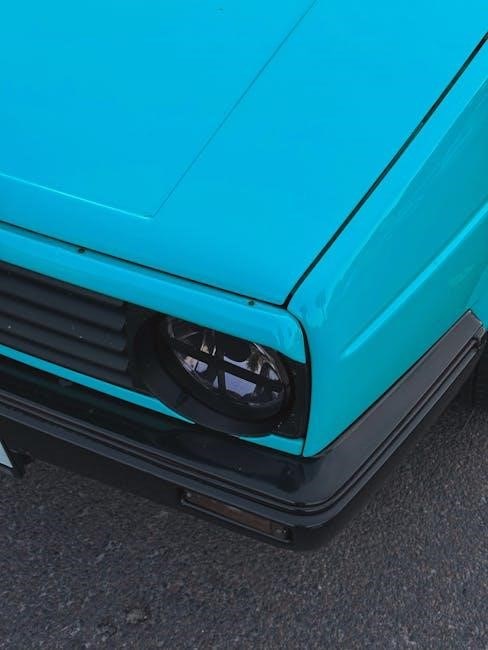
Successfully navigating VW parts interchangeability unlocks significant cost savings and expands repair options. Understanding model-specific commonalities, like those between the Jetta and Passat, and year-to-year compatibility—often consistent, as noted since 1965—is paramount. Careful identification, utilizing resources like repair kits (part number subgroup 98) and detailed manuals, minimizes errors.
However, caution is vital, particularly with electrical components and body panels where fitment challenges exist. By leveraging online communities, OEM suppliers, and comprehensive charts, enthusiasts and mechanics can efficiently source parts, ensuring reliable and affordable Volkswagen maintenance and restoration. Prioritize accurate part number verification for optimal results.