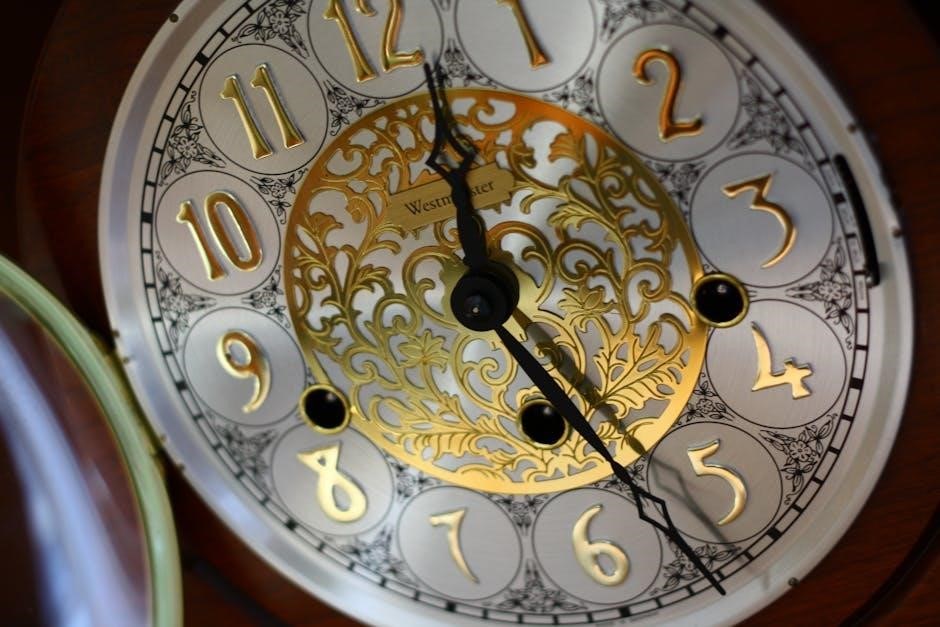
Navigating the world of antique clocks requires understanding key factors like age, brand, and condition. Determining value involves research and careful assessment, ensuring a fair price.
Understanding Antique Clock Valuation
Antique clock valuation is a nuanced process, far beyond simply assessing age. It’s a blend of historical context, craftsmanship evaluation, and current market demand. Originality is paramount; replaced parts diminish value significantly. A clock’s functionality, accuracy, and overall condition heavily influence its worth. Determining value requires considering the maker’s reputation, rarity, and material composition. Thorough research, utilizing auction records and dealer databases, is crucial for an accurate appraisal. Provenance, or a clock’s history of ownership, can also substantially impact its final price.
The Importance of Condition
Condition is arguably the most significant factor in antique clock valuation, often outweighing even age or rarity. A clock’s case integrity – free from significant damage or extensive repairs – is vital. Movement functionality and accuracy are paramount; a working clock commands a higher price. Dial and hand condition, including originality, greatly impacts value. Even minor imperfections can detract from an antique’s worth. Assessing pendulum and weight condition is also crucial. Restoration, if poorly executed, can negatively affect value.
Key Factors Influencing Antique Clock Value
Several elements determine an antique clock’s worth: age, maker, rarity, materials, and originality. These interconnected aspects significantly impact collector interest and market price;
Age and Historical Period
The age of a clock is a primary value driver, with older examples often commanding higher prices. Clocks from significant historical periods, like the Victorian or Art Deco eras, benefit from increased desirability. However, age isn’t solely determinative; condition and provenance play crucial roles. Early clockmaking techniques, like those employed in the 17th and 18th centuries, are highly sought after. Understanding the historical context – the societal norms and technological advancements of the time – enhances appreciation and, consequently, value. A clock’s age provides insight into its craftsmanship and historical significance.
Manufacturer and Brand Recognition
Certain clockmakers and brands consistently achieve higher values due to their reputation for quality and innovation. Names like Thomas Tompion, Boulle, and Junghans are instantly recognizable to collectors, boosting desirability. French carriage clocks, particularly those by renowned makers, often fetch premium prices. Brand recognition signifies a history of skilled craftsmanship and reliable timekeeping. Clocks from well-established workshops demonstrate superior engineering and design, justifying their increased market value. Identifying the maker is crucial for accurate valuation.
Rarity and Limited Production Runs
Scarcity significantly impacts an antique clock’s value; limited production models are highly sought after. Clocks created in small batches, or those with unique features, command higher prices. Vienna Regulator clocks, with their specific design and limited output, exemplify this principle. Originality is paramount – clocks with replaced parts diminish in value. Identifying limited editions or prototypes elevates collectibility. Rarity, combined with historical significance, creates exceptional demand among discerning collectors, driving up auction results.
Material Composition (Wood, Metal, etc.)
The materials used in an antique clock’s construction profoundly influence its value. High-quality woods like mahogany, walnut, and rosewood increase desirability. Intricate marquetry or carving further enhances worth. Metal components, such as brass or ormolu, contribute to aesthetic appeal and value. The type of metal used in the movement—brass versus steel—also matters. Original, well-preserved materials are crucial; replacements can detract from value. Material quality reflects craftsmanship and historical period.
Types of Antique Clocks and Their Value Ranges
Diverse clock styles—grandfather, mantel, wall, bracket, and carriage—command varying prices. Value hinges on type, condition, rarity, and maker, creating broad price spectrums.
Grandfather Clocks (Longcase Clocks)
Grandfather clocks, or longcase clocks, represent a significant segment of the antique clock market. Their value is heavily influenced by the craftsmanship of the case, often constructed from walnut, oak, or mahogany. Eighteenth and nineteenth-century examples from renowned makers like Thomas Tompion or William Henry Willcocks command substantial premiums.
Condition is paramount; original cases, weights, and movements significantly increase worth. Intricate marquetry or detailed carvings further enhance value. Generally, prices range from $800 for simpler examples needing restoration to upwards of $20,000+ for exceptional, historically significant pieces.
Mantel Clocks
Mantel clocks offer a diverse range of styles and price points within the antique market. Popular during the Victorian and Art Deco periods, their value hinges on maker, material, and decorative elements. French mantel clocks, particularly those with ornate gilt bronze cases and porcelain dials, are highly sought after.
American mantel clocks, like those produced by Seth Thomas or Black Forest examples with chalet designs, also hold appeal. Prices typically range from $200 for basic models to $5,000+ for exceptional examples in pristine condition.
Wall Clocks
Antique wall clocks represent a broad category, encompassing various mechanisms and aesthetics. Early examples, often spring-driven with painted iron or wooden cases, are generally more affordable, ranging from $150 to $800. Vienna Regulator wall clocks, known for their precision and elegant design, command higher prices, often exceeding $1,500.
German Black Forest wall clocks, featuring carved wood and whimsical details, are also popular. Condition, rarity, and the presence of original components significantly impact their value, potentially reaching several thousand dollars.
Bracket Clocks
Bracket clocks, designed for display on brackets or shelves, are highly collectible and often quite valuable. Typically featuring triple-fusee or spring-driven movements within ornate brass or mahogany cases, their value hinges on maker prestige and complexity. Notable makers like Thomas Tompion significantly inflate prices.
Expect to find examples ranging from $800 for simpler models to exceeding $10,000 for exceptional pieces with intricate detailing and documented provenance. Condition is paramount, with original parts commanding premiums.
Carriage Clocks
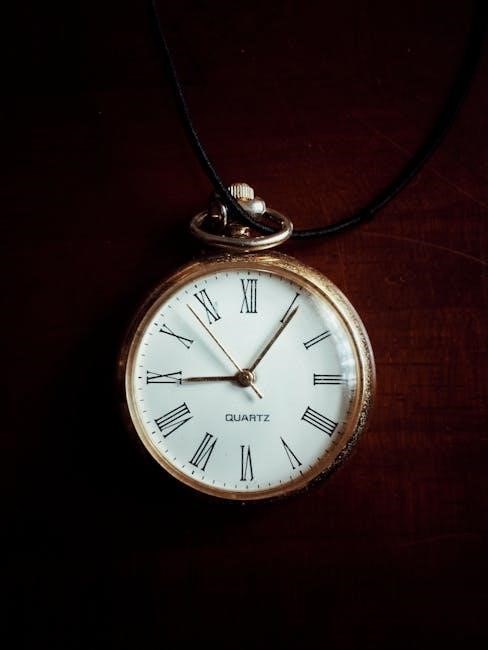
French carriage clocks, renowned for their portability and elegant design, are consistently popular among collectors. These spring-driven clocks, encased in brass cornices and often featuring enamel dials, demand careful scrutiny. Makers like Drocourt and Lépine are highly sought after, boosting value considerably.
Values typically range from $1,500 for basic models to upwards of $8,000 or more for exceptional examples with unique features or historical significance. Originality and working order are crucial for maximizing price.
Identifying Clock Components and Markings
Detailed examination of movements, dials, cases, and maker’s marks is essential. These elements reveal authenticity, origin, and potential value, aiding accurate assessment.
Clock Movements: Types and Significance
The clock movement is the heart of any timepiece, profoundly impacting its value. Common types include weight-driven, spring-driven, and electric movements. Weight-driven movements, often found in grandfather clocks, demonstrate intricate mechanics. Spring-driven movements, prevalent in mantel and carriage clocks, offer compactness.
Movement complexity, the quality of materials used (brass, steel), and the presence of original parts are crucial. A well-maintained, original movement significantly boosts a clock’s desirability and price. Identifying the maker of the movement can also reveal valuable historical context and enhance collectibility.
Dial and Hand Analysis
The clock dial and hands offer significant clues to authenticity and value. Examine the dial’s material – porcelain enamel is highly prized, followed by brass or silver. Intricate detailing, hand-painted numerals, and original signatures increase worth. Hand styles vary by period; ornate, pierced hands are common in older clocks.
Condition is paramount; cracks, chips, or repainting diminish value. Originality is key – replaced hands or dials detract from collectibility. Matching dial and hand styles to the clock’s period confirms authenticity and boosts its appeal to discerning collectors.
Case Construction and Wood Types
The clock case’s construction and wood significantly impact its value. Mahogany, walnut, and oak are common, with rarer woods like rosewood commanding higher prices. Dovetail joints indicate quality craftsmanship. Examine the case for veneer quality, figuring, and overall structural integrity.
Original finishes are desirable, though careful refinishing can be acceptable. Damage, repairs, or replaced panels detract from value. The style of the case – Chippendale, Queen Anne, Victorian – also influences collectibility and market demand.
Identifying Maker’s Marks and Serial Numbers
Locating a maker’s mark or serial number is crucial for authentication and valuation. These are often found on the movement, dial, or inside the case. Researching these markings can reveal the clock’s origin, production date, and historical significance.
Serial numbers can help pinpoint the exact year of manufacture and identify specific production runs. Databases and online resources dedicated to clockmakers are invaluable tools for decoding these identifiers, boosting the clock’s documented value.
Assessing Clock Condition
Condition significantly impacts value; integrity of the case, movement functionality, and dial appearance are key. Accurate timekeeping and minimal restoration enhance desirability.
Evaluating Case Integrity
A clock’s case is paramount to its overall value. Examine for cracks, veneer loss, or repairs, as these detract from worth. Original finishes are highly desirable, though careful refinishing can be acceptable if done professionally. Look closely at joints – are they tight and secure, or showing signs of separation? Evidence of significant damage or poor repairs will substantially lower the clock’s price. Consider the wood type; rarer or more decorative woods increase value. Assess the case’s structural stability and ensure it displays minimal wear consistent with its age.
Movement Functionality and Accuracy
The clock’s movement is its heart, directly impacting value. A fully functional movement, keeping accurate time, is crucial. Inspect for wear, corrosion, or missing parts. Original movements are preferred, but quality replacements are acceptable. Professional overhaul and cleaning are often necessary, adding to the cost but preserving functionality. Note any modifications or alterations. A movement in poor condition, or one requiring extensive repair, significantly diminishes the clock’s worth. Accuracy, even after servicing, should be reasonably consistent.
Dial and Hand Condition
The dial and hands contribute significantly to a clock’s aesthetic and value. Original dials, with intact enamel or paint, are highly desirable. Examine for cracks, chips, or restoration. Hand styles should be appropriate for the clock’s period and style. Matching hands are essential; replacements detract from value. Signs of wear are acceptable, but excessive damage lowers the price. A beautifully preserved dial and hands enhance collectibility and overall appeal.
Pendulum and Weight Assessment
The pendulum and weights are crucial for functionality and value. Original weights, matching in size and material, are preferred. Inspect for damage, repairs, or replacements. Pendulums should be straight and free from significant corrosion; Correct weight and pendulum length are vital for accurate timekeeping. Non-original or mismatched components diminish value. Assess the pendulum’s bob for style appropriateness and condition, contributing to the clock’s overall authenticity.
Researching Clock Values
Utilize online auctions, dealer databases, and price guides to establish a clock’s market value. Professional appraisals offer expert, detailed assessments for accurate pricing.
Online Auction Sites (eBay, LiveAuctioneers)
Online auction platforms like eBay and LiveAuctioneers provide a wealth of data regarding recent sales of antique clocks. Examining completed listings reveals actual prices realized, offering valuable insight into current market trends. However, be cautious; condition significantly impacts value, and auction results can fluctuate.
Filter searches carefully, considering clock type, manufacturer, and condition. Pay attention to shipping costs and buyer premiums, as these add to the final price. Multiple data points from various auctions create a more reliable valuation range than relying on a single result.
Antique Dealer Databases
Antique dealer databases, often accessible through websites or specialized services, compile listings from numerous reputable dealers. These databases frequently offer detailed descriptions and high-quality photographs, aiding in accurate comparison. While prices may be higher than auction results, they generally reflect retail values and clocks in well-maintained condition.
Utilize these resources to establish a price ceiling and understand dealer markups. Cross-referencing with auction data provides a balanced perspective. Remember that dealer expertise often justifies a premium, offering assurance of authenticity and condition.
Price Guides and Publications
Specialized price guides dedicated to antique clocks offer a structured approach to valuation. These publications, often updated annually, categorize clocks by type, maker, and condition, providing estimated price ranges. However, remember these are guidelines, not definitive appraisals.
Complement price guides with collector magazines and books focusing on horology. These resources provide historical context, maker information, and insights into market trends, enhancing your understanding of clock values and collectibility.
Professional Appraisals
For the most accurate valuation, consider a professional appraisal from a qualified horologist. A skilled appraiser assesses authenticity, condition, rarity, and historical significance, providing a detailed report suitable for insurance, estate planning, or sale.
Ensure the appraiser specializes in antique clocks and possesses relevant credentials. Appraisals involve a fee, but offer peace of mind and a reliable assessment of your clock’s true market value, exceeding online estimates.
Common Clock Restoration Issues and Their Impact on Value
Restoration impacts value; originality is key. Replacing parts or refinishing can diminish collector appeal, while careful repair maintains authenticity and boosts worth.
Replacing Missing Parts
Replacing components significantly affects an antique clock’s value. While necessary for functionality, non-original parts generally decrease collectibility. Collectors prioritize authenticity, and replacements, even accurate reproductions, are often viewed less favorably. The extent of the impact depends on the part; a replaced hand is less detrimental than a rebuilt movement.
Documenting any replacements is crucial for transparency. A clock with skillfully integrated, but acknowledged, replacements will fare better than one with concealed alterations. Maintaining a detailed record of restoration work preserves the clock’s history and builds trust with potential buyers.
Refinishing and Case Repair
Refinishing an antique clock case is a delicate balance. While addressing damage is important, overly aggressive restoration diminishes value; Original finish, even with wear, is often preferred by collectors. Minor repairs, like veneer patching or stabilizing loose joints, are acceptable. However, complete stripping and refinishing should be avoided unless the original finish is severely compromised.
Professional case repair, preserving original wood and construction techniques, is highly valued. Documenting all repairs ensures transparency and demonstrates respect for the clock’s history.
Movement Overhaul and Repair
A clock’s movement is its heart, and professional overhaul is often necessary. However, excessive replacement of original parts significantly reduces value. Skilled horologists prioritize cleaning, lubricating, and carefully repairing existing components. Complete movement replacements are generally discouraged, unless absolutely unavoidable due to irreparable damage.
Documenting all repairs, including parts sourced and work performed, is crucial. Maintaining originality, even with functional limitations, often outweighs a fully “restored” but altered movement.
Specific Clock Styles and Their Collectibility
Certain styles, like Vienna Regulators and French Carriage Clocks, command higher prices. American shelf clocks and Black Forest cuckoo clocks also possess unique collector appeal.
Vienna Regulator Clocks
Vienna Regulator clocks, originating in mid-19th century Austria, are highly sought after by collectors. Their precise timekeeping, elegant design, and distinctive features – including a visible pendulum and often a dial with a rating scale – contribute to their desirability. Originality is paramount; clocks with replaced parts significantly decrease in value.
Condition plays a crucial role, with well-maintained examples fetching substantial sums. These clocks represent a pinnacle of 19th-century clockmaking, making them a prized possession for enthusiasts and investors alike.
French Carriage Clocks
French carriage clocks, popular in the 19th century, are renowned for their portability and intricate designs. Originally created for Napoleon’s traveling officers, these clocks are often encased in ornate brass or gilded cases, featuring enamel dials and delicate movements. Makers like Drocourt and Bautte are highly regarded.
Value is heavily influenced by the maker, case quality, and condition. Originality, including the presence of the original key and carrying case, significantly boosts collectibility and market price.
American Shelf Clocks
American shelf clocks, blossoming in the 19th century, represent a diverse range of styles and mechanisms. From the simple wooden Ogee clocks to the more elaborate Victorian-era models with painted scenes, these timepieces reflect American craftsmanship. Notable makers include Eli Terry, Seth Thomas, and Chauncey Jerome.
Value hinges on maker, rarity, and the preservation of original features. Intricate painted decorations, particularly those depicting historical or allegorical scenes, command higher prices. Condition is paramount, impacting desirability.
Black Forest Cuckoo Clocks
Originating in the Black Forest region of Germany in the 17th century, cuckoo clocks are instantly recognizable. These charming timekeepers feature intricate carvings, often depicting scenes of forest life, and the iconic cuckoo bird that announces the hour. Early examples were weight-driven, evolving to spring-driven mechanisms.
Value is influenced by age, carving quality, and the complexity of the automata. Clocks with detailed hand-carved figures and musical movements are highly sought after. Originality and condition significantly impact collector interest.
The Impact of Provenance on Value
A clock’s history—ownership, documentation, and original paperwork—can dramatically increase its value. Provenance adds authenticity and desirability for collectors.
Historical Ownership
Discovering a clock’s previous owners can significantly elevate its worth. If a notable historical figure once possessed the timepiece, its value often experiences a substantial increase. Documentation, such as letters or bills of sale, linking the clock to a famous individual provides irrefutable proof of provenance. This connection transforms the clock from a mere timekeeping device into a tangible piece of history, appealing to collectors seeking unique and historically significant items. Establishing a clear chain of ownership is crucial for maximizing value.
Family History and Documentation
Even without celebrity connections, a well-documented family history boosts a clock’s appeal. Old photographs showing the clock in a family setting, or written accounts detailing its use through generations, add sentimental value. Original receipts, repair records, or even handwritten notes about the clock’s significance create a compelling narrative. This provenance demonstrates continuous care and establishes authenticity, making the clock more desirable to collectors valuing heritage and a tangible link to the past.
Original Receipts and Paperwork
The presence of original receipts, warranties, or manufacturer’s documentation significantly elevates an antique clock’s value. These papers confirm authenticity, date of purchase, and potentially, the clock’s original owner. Service records detailing past repairs or overhauls demonstrate conscientious maintenance. Even seemingly minor paperwork, like instruction manuals, can add to the clock’s story and appeal to serious collectors seeking a complete and verifiable piece of horological history.
Resources for Antique Clock Collectors
Collectors benefit from joining clubs, exploring online forums, and consulting specialized books and magazines. These resources offer expertise and community support.
Clock Collector Clubs and Organizations
Joining a clock collector club provides invaluable access to a network of passionate enthusiasts and seasoned experts. These organizations frequently host meetings, workshops, and exhibitions, fostering learning and camaraderie. Members often share knowledge regarding identification, restoration, and, crucially, valuation.
National and regional groups offer opportunities to connect with individuals possessing specialized expertise in various clock types and periods. Many clubs publish newsletters or journals containing articles on clock history, repair techniques, and current market trends, aiding collectors in informed decision-making.
Online Forums and Communities
Digital platforms dedicated to antique clocks offer a vibrant space for collectors to connect, share information, and seek advice. These forums are excellent resources for identifying unknown clock marks, discussing restoration challenges, and gauging current market values.
Active communities provide a collaborative environment where enthusiasts exchange photographs, historical details, and personal experiences. Experienced members often assist newcomers with valuations, offering insights based on their extensive knowledge and research. Caution is advised; corroborate information from multiple sources.
Books and Magazines on Antique Clocks
Dedicated publications remain invaluable resources for antique clock enthusiasts, offering detailed historical context and comprehensive valuation guidance. Books often feature extensive catalogs of makers’ marks, movement types, and case styles, aiding in accurate identification.
Specialized magazines provide current market reports, auction results, and articles on restoration techniques. These resources frequently include price guides, though values should be cross-referenced with other sources. Investing in a few key reference books builds a strong foundation for informed collecting.
Current Market Trends in Antique Clock Values (as of 12/18/2025)
Demand for Vienna Regulators and French carriage clocks is rising, while economic factors influence regional price variations. Collectors prioritize originality now.
Rising Demand for Specific Styles
Currently, a notable surge in collector interest is focused on Vienna Regulator clocks, prized for their precision and elegant design. French carriage clocks also experience heightened demand, driven by their portability and intricate craftsmanship. American shelf clocks, particularly those with unique ornamentation, are gaining traction. Conversely, while Black Forest cuckoo clocks remain popular, their market growth is comparatively moderate. Originality significantly impacts value; clocks with replaced parts often see diminished appeal. This trend reflects a growing appreciation for authentic, well-preserved timepieces among discerning collectors, influencing current market valuations.
Regional Variations in Clock Values
Clock values demonstrate significant regional disparities; European markets often prioritize French and Vienna Regulator clocks, commanding premium prices. In North America, American shelf clocks and grandfather clocks frequently achieve higher valuations. The United Kingdom exhibits strong demand for both European and British-made timepieces. Auction results and dealer pricing vary considerably based on local collector preferences and economic conditions. Accessibility and proximity to historical manufacturing centers also influence regional demand, impacting overall market values for specific clock styles.
The Influence of Economic Factors
Economic conditions profoundly impact antique clock values; during periods of prosperity, discretionary spending on collectibles increases, driving up prices; Conversely, economic downturns often lead to decreased demand and lower valuations. Inflation and interest rates also play a role, affecting both collector purchasing power and the cost of restoration. Currency exchange rates influence international sales, while broader market trends in luxury goods correlate with antique clock market performance, creating fluctuations in overall value.