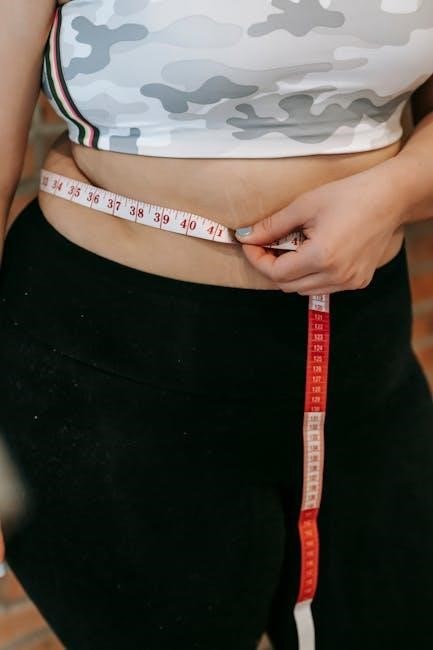
Navigating the world of apparel can be tricky, as sizing isn’t standardized globally.
This guide aims to demystify clothing sizes, offering clarity across international standards and specific item types.
Variations exist due to differing manufacturing practices and target markets, leading to inconsistencies.
Understanding these nuances ensures a better fit and reduces returns, ultimately enhancing your shopping experience.
Why Clothing Sizes Vary
The lack of a universal standard is the primary reason for clothing size discrepancies. Historically, sizing evolved organically, influenced by regional tailoring traditions and manufacturing practices. Different countries adopted unique systems, often based on average body measurements at specific points in time.
Furthermore, brands themselves contribute to the variation. Each company may interpret standard sizes differently, aiming for a particular fit or target demographic. Vanity sizing, where brands intentionally label garments smaller than their actual measurements, is a common practice to appeal to consumers.
Manufacturing locations also play a role. Garments produced in different regions may adhere to varying quality control standards and measurement techniques. Even within a single brand, sizes can fluctuate between product lines or seasonal collections. Brazil, for example, utilizes lettered sizes for baby clothing, diverging from common centimeter or month-based systems. These factors collectively explain why a size medium in one store might not fit the same as a size medium elsewhere.
The Importance of Accurate Measurements
Relying solely on labeled sizes can be misleading, given the inconsistencies discussed. Taking accurate body measurements is crucial for finding clothes that fit well and flatter your figure. This practice minimizes the risk of purchasing items that are too tight, too loose, or simply uncomfortable.
Precise measurements – bust/chest, waist, and hips – serve as a reliable guide when comparing against brand-specific size charts. Knowing your measurements empowers you to make informed decisions, especially when shopping online where trying on isn’t possible.
Furthermore, body shapes vary significantly, even among individuals who share the same labeled size. Accurate measurements account for these individual differences, ensuring a more personalized fit. ASOS emphasizes the importance of measuring to find the perfect fit, highlighting the benefit of understanding your unique proportions. Ultimately, investing time in accurate measurements saves you time, money, and frustration in the long run.

Understanding International Size Standards
Global sizing differs significantly; US, UK, EU, AU/NZ, and Asian standards all vary.
Conversion charts are essential for accurate shopping across borders and brands.
US Clothing Sizes
American sizing is widely referenced, but even within the US, variations can occur between brands. Generally, women’s sizes range from 2 to 24, with petite and plus sizes also available. Men’s sizes typically start at 28-inch waist and extend upwards, alongside chest measurements denoted by inches (e.g., 36, 38, 40).
For women, a size 8 generally corresponds to a bust measurement of 36 inches, a waist of 28 inches, and hips of 38 inches. Men’s shirt sizes are often indicated by neck and sleeve length (e.g., 15.5/32). It’s crucial to consult specific brand size charts, as a size medium in one store might fit differently in another.
Furthermore, the US system utilizes both numeric and lettered sizes (S, M, L, XL, etc.), adding another layer of complexity. Understanding these nuances and prioritizing accurate measurements is key to finding the right fit when shopping for clothing in the United States.
UK Clothing Sizes
British clothing sizes differ from their US counterparts, often running one size larger. Women’s sizes typically range from 8 to 18, with variations for petite and plus sizes. Men’s sizes are indicated by chest measurements in inches, similar to the US system, but with different numerical values for equivalent sizes.
A UK size 12 generally corresponds to a US size 8. For men, a 40-inch chest equates to a UK size 40. It’s important to note that UK sizing can also vary between retailers, so checking individual brand size guides is essential. Unlike the US, the UK system primarily uses numerical sizes for women’s clothing.
Additionally, understanding the conversion between UK and other international sizes is crucial for online shopping. Utilizing size conversion charts and carefully reviewing product descriptions will help ensure a proper fit and minimize the risk of returns when purchasing clothing from UK-based retailers.
European (EU) Clothing Sizes
European (EU) clothing sizes utilize a numerical system that differs from both US and UK standards. Women’s sizes generally range from 36 to 48, while men’s sizes are often indicated by chest circumference in centimeters. EU sizing tends to run smaller than US sizes, and slightly larger than UK sizes, requiring careful conversion.
For women, a size 38 EU typically corresponds to a US size 6-8. Men’s sizes are linked to chest measurements; a 96-102cm chest equates to a size 40 EU. Italy and Germany often have their own slight variations within the EU system, adding another layer of complexity.
When shopping from European retailers, consulting a size chart is vital. Online conversion tools can assist, but always prioritize the specific brand’s guide for the most accurate fit. Understanding these nuances ensures a more successful and satisfying shopping experience.
Australian/New Zealand (AU/NZ) Clothing Sizes
Australian and New Zealand (AU/NZ) clothing sizes closely mirror UK sizing, creating relative ease for shoppers familiar with the British system. Women’s sizes typically range from 6 to 26, while men’s sizes are indicated by chest measurements and waist sizes. However, subtle differences can still occur between brands, necessitating careful attention.
Generally, an AU/NZ size 10 corresponds to a UK size 10 and a US size 6. Men’s sizes follow a similar pattern, with chest measurements aligning closely with UK standards. It’s crucial to remember that sizing can vary, particularly with imported brands.
To ensure an accurate fit, always consult the specific retailer’s size chart. Paying attention to both numerical and alphabetical sizes (S, M, L) is recommended. Utilizing online conversion tools can be helpful, but brand-specific guides offer the most reliable information.
Asian (Japan/Korea/China) Clothing Sizes
Asian clothing sizes, particularly those from Japan, Korea, and China, often run significantly smaller than Western sizes. This is due to differing body measurements and manufacturing standards. Expect sizes to be one or two sizes smaller than US or European equivalents – sometimes even more, depending on the brand and style.
Japanese sizing frequently uses centimeters, while Korean and Chinese sizing may employ a combination of numbers and letters (S, M, L). It’s vital to meticulously check size charts provided by the retailer, as these vary considerably.
When purchasing from Asian brands, prioritize measurements over relying solely on size labels. Bust, waist, and hip measurements are crucial for a proper fit. Consider ordering a size up, or even two, to accommodate the smaller cuts. Online conversion tools can assist, but brand-specific charts are always preferred.
Specific Clothing Item Size Guides
Different garments require unique sizing approaches; a dress fits differently than a shirt.
Detailed charts for each item—dresses, tops, shirts, pants—ensure accurate selections and optimal comfort.
Women’s Clothing Size Guide
Women’s sizing presents a complex landscape, varying significantly between regions and even brands. Generally, US sizes run larger than European or Asian sizes. A crucial element is understanding bust, waist, and hip measurements, as these dictate the best fit. For dresses & skirts, waist size is paramount, alongside hip measurements for styles like A-line or pencil skirts.
Tops & blouses require attention to bust and shoulder measurements, ensuring comfortable armhole and chest coverage. International conversions are vital; for example, a US size 8 might translate to a UK size 12 or a European size 38. ASOS provides detailed size charts, while John Lewis & Partners offers expert insight into international sizing. Remember that sizing can also differ based on fabric and style – a stretchy knit will have different requirements than a structured woven fabric. Always consult the specific brand’s size guide when possible.
Dresses & Skirts
Finding the perfect fit in dresses and skirts requires careful consideration of several key measurements. Waist size is arguably the most important, determining how the garment sits on your torso. However, hip measurements are equally crucial, especially for styles like A-line, pencil, or fit-and-flare dresses and skirts. Length is another factor; consider whether you prefer mini, midi, or maxi lengths.
International size charts can be confusing, with US sizes often differing from UK or European equivalents. A US size 8, for instance, might correspond to a UK size 12 or a European size 38. Pay attention to whether the size chart uses inches or centimeters. Brands often provide specific size guides for their dresses and skirts, detailing bust, waist, and hip measurements for each size. Always check these guides before purchasing, as sizing can vary significantly between brands and styles.
Tops & Blouses
Selecting the right size for tops and blouses hinges on accurately measuring your bust/chest and waist. Unlike dresses, shoulder width can also be a significant factor, particularly for structured styles like button-down shirts or tailored blouses. Sleeve length is another consideration, impacting both comfort and style. Be mindful of the fabric; stretchy materials offer more flexibility in fit, while non-stretch fabrics require a more precise measurement.
International sizing discrepancies are common with tops. A US size Medium might not equate directly to a UK or EU Medium. Always consult the brand’s specific size chart, noting whether measurements are in inches or centimeters. Some retailers provide alpha sizes (S, M, L) alongside numerical sizes, adding another layer of complexity. Consider the intended fit – relaxed, fitted, or oversized – when choosing a size, and read product descriptions for details on the garment’s cut and style.
Men’s Clothing Size Guide
Men’s clothing sizing, like women’s, varies considerably across regions and brands. Key measurements include chest, waist, inseam (for pants), and neck (for shirts). Chest size is crucial for shirts, jackets, and suits, while waist size dictates the fit of trousers and belts. Inseam length ensures proper pant hemline. Understanding these measurements is the first step towards finding well-fitting garments.
International conversions can be confusing. A US size 40 Regular jacket might translate differently in the UK or EU. Many brands utilize alpha sizes (S, M, L, XL) alongside numerical sizes, but these aren’t universally consistent. Always refer to the specific brand’s size chart. Consider body type – athletic builds may require a different size than slimmer frames. Pay attention to garment cut; slim-fit styles require more precise measurements than relaxed-fit options.
Shirts
Men’s shirt sizing primarily revolves around two measurements: neck and sleeve length. Neck size determines collar fit, preventing tightness or looseness. Sleeve length is measured from the center back of the neck, over the shoulder, and down to the wrist. Standard fits include slim, regular, and classic, each offering a different silhouette.
When selecting a shirt, prioritize a comfortable neck fit, allowing room for one finger between the collar and your neck. Sleeve length should end around your wrist bone. Chest size also plays a role, influencing the overall shirt body. Be mindful of fabric – some materials shrink after washing. Refer to brand-specific size charts, as variations exist. Alpha sizes (S, M, L) are often used, but numerical neck and sleeve measurements provide greater accuracy. Consider whether you prefer a tailored or relaxed look.
Pants & Trousers
Pants and trousers are typically sized by waist and inseam measurements. Waist size corresponds to the circumference around your natural waistline, usually measured just above the hip bones. Inseam refers to the length from the crotch to the bottom of the leg, crucial for achieving the correct length. Fits range from slim and skinny to straight and relaxed, impacting the overall silhouette.
Accurate measurement is key; don’t assume your pant size is consistent across brands. When measuring your waist, ensure the tape measure is comfortably snug, not tight. For inseam, it’s best to measure a pair of well-fitting pants. Consider rise – the distance from the crotch to the top of the waistband – as it affects where the pants sit on your waist. Different regions use varying sizing systems (e.g., US, EU), so consult size charts.
Children’s Clothing Size Guide
Children’s clothing sizing can be particularly challenging due to rapid growth spurts and varying brand standards. Sizes are often categorized by age, but weight and height are more reliable indicators. Infant and baby sizes typically progress from newborn to 24 months, often denoted by months (e.g., 6M, 12M). Toddler sizes generally range from 2T to 5T, followed by kids’ sizes, which correlate more closely with age (e.g., 6, 8, 10).
However, these are averages; a child’s build significantly impacts fit. Brazil uniquely uses lettered sizes for baby clothes instead of months or centimeters. Always check specific brand size charts, as they can differ substantially. Consider the garment’s intended use – looser fits are preferable for play, while more fitted styles might be suitable for special occasions. Prioritize comfort and allow room for growth!
Infant & Baby Sizes
Navigating infant and baby clothing sizes requires careful attention, as babies grow at an astonishing rate. Sizes typically begin with “Newborn” (up to 7.5 lbs) and progress through 3, 6, 9, 12, 18, and 24 months. These month designations are generally based on average weight and length, not necessarily chronological age. It’s crucial to remember that these are guidelines, and variations between brands are common.
Brazil uniquely employs lettered sizes for baby clothing, bypassing the typical month-based system. When selecting sizes, consider your baby’s current weight and length, and err on the side of slightly larger to accommodate growth. Prioritize comfortable, non-restrictive clothing, especially for newborns. Always check the specific brand’s size chart for the most accurate fit, as sizing can differ significantly.
Toddler & Kids Sizes
Transitioning from baby sizes, toddler and kids’ clothing generally utilizes numerical sizing, starting around 2T (Toddler size 2) and progressing upwards. Common sizes include 3T, 4T, 5, 6, 7, 8, and so on, often corresponding to a child’s age. However, relying solely on age can be misleading, as children grow at different paces. Height and weight are more reliable indicators for determining the correct fit.
Consider that sizing can still vary significantly between brands, so consulting a specific size chart is always recommended. Pay attention to whether the chart is based on height, weight, or both. Look for clothing with adjustable features, like elastic waistbands, to allow for a more comfortable and longer-lasting fit. Prioritize durable materials that can withstand active play and frequent washing.
Taking Accurate Body Measurements
Precise measurements are crucial for finding well-fitting clothes. Use a flexible measuring tape, and ideally, have someone assist you for accuracy.
Consistent technique is key!

Measuring Bust/Chest
For the most accurate bust or chest measurement, wear a properly fitting, unpadded bra. Stand naturally with your arms relaxed at your sides. Wrap the measuring tape around the fullest part of your bust or chest, ensuring the tape is level all the way around your body.
Don’t pull the tape too tightly, nor should it be loose. It should be snug but comfortable. Exhale normally while taking the measurement, as inhaling can slightly alter your size. Record the measurement in inches or centimeters, depending on the size chart you are referencing.
For men, measure around the fullest part of the chest, keeping the tape under the armpits and across the shoulder blades. Ensure the tape is horizontal and doesn’t constrict your breathing. Repeat the measurement to confirm accuracy, as slight variations can occur. This measurement is vital for shirts and jackets.
Remember to consider the garment’s intended fit – a fitted garment will require a closer measurement than a looser style.
Measuring Waist
To accurately measure your waist, stand relaxed and breathe normally. Locate your natural waistline – this is typically the narrowest part of your torso, or where your body bends when you side-bend. It’s usually about an inch above your belly button.
Wrap the measuring tape around your natural waistline, ensuring it’s level all the way around your body. Avoid pulling the tape too tightly; it should be snug but comfortable, allowing for easy breathing. Don’t measure over clothing, as this will add unnecessary bulk to the measurement.
Record the measurement in inches or centimeters, depending on the size chart you’re using. For best results, have a friend assist you to ensure the tape is level and accurate. This measurement is crucial for pants, skirts, and dresses.
Consider the style of the garment. High-waisted styles will require a measurement at the natural waist, while low-rise styles may need a measurement slightly below.
Measuring Hips
Accurately measuring your hips is essential for finding well-fitting bottoms, dresses, and skirts. Stand with your feet together and your weight evenly distributed. Ensure your posture is relaxed and natural.
Wrap the measuring tape around the fullest part of your hips and buttocks. This is typically about 7-9 inches below your waistline. The tape should be level all the way around your body – imagine a straight line across your hip bones.

Avoid pulling the tape too tightly; it should be snug but comfortable, allowing for natural movement. Measure directly against your skin, not over clothing, to obtain the most accurate result.
Record your hip measurement in inches or centimeters, aligning with the units used on the size chart. Having a friend assist can help ensure the tape remains level and provides a precise reading. This measurement is vital for achieving a flattering fit.
Converting Between Size Charts
Utilizing conversion tools is crucial when shopping across brands or internationally. Online charts simplify translating sizes between US, UK, EU, and Asian standards for optimal fit.
Using Online Size Conversion Tools
Numerous online resources streamline the process of converting between different clothing size charts. These tools are invaluable when purchasing from international retailers or brands that adhere to varying standards. Many websites, including ASOS and John Lewis & Partners, offer integrated size guides and conversion features directly on their product pages.
These tools typically require you to input your measurements (bust, waist, hips) or your known size in one system (e.g., US) to generate the equivalent size in another (e.g., EU or UK). Some tools even account for specific garment types, like dresses or pants, providing more accurate conversions. Remember to always double-check the brand’s specific size chart, as variations can still occur.
Beyond retailer-specific tools, several independent size conversion websites compile extensive charts for various regions and clothing categories. These can be particularly helpful when dealing with less common sizing systems, such as those found in Asian countries (Japan, Korea, China). Utilizing these resources minimizes the risk of ordering ill-fitting garments and ensures a more satisfying shopping experience.