
Welcome! This manual guides you through setup‚ operation‚ and maintenance. Access your Bosch appliance’s instructions via the model number (E-Nr) at bosch-home.com.
Welcome and Important Safety Information
Welcome to your new Bosch refrigerator! Before operating‚ carefully read this manual for optimal performance and longevity. Prioritize safety: avoid risks of explosion‚ electric shock‚ and cold burns as outlined in the instructions. Ensure proper grounding and avoid damaging the refrigerant lines.
This appliance is intended for household use only. Children should be supervised to prevent play with the appliance. Disconnect from power before cleaning or maintenance. Never store explosive substances inside. Always follow the provided instructions for installation and operation to guarantee safe and efficient use of your Bosch refrigerator.
Understanding Your Appliance Model Number (E-Nr)
Your Bosch refrigerator’s Model Number (E-Nr) is crucial for accessing specific instructions‚ warranty information‚ and support. Locate the E-Nr on the appliance’s data plate‚ typically found inside the refrigerator compartment or on the rear panel.
This unique identifier allows you to download the correct user manual from bosch-home;com. Enter the first few characters of your E-Nr into the search box on the website to find your appliance’s documentation. Having your E-Nr readily available streamlines troubleshooting and ensures you receive accurate assistance when contacting Bosch customer support.
Getting Started
Begin by carefully reading the manual for safe installation and initial setup. Clean the interior thoroughly before first use‚ preparing your new Bosch refrigerator!
Initial Setup and Installation
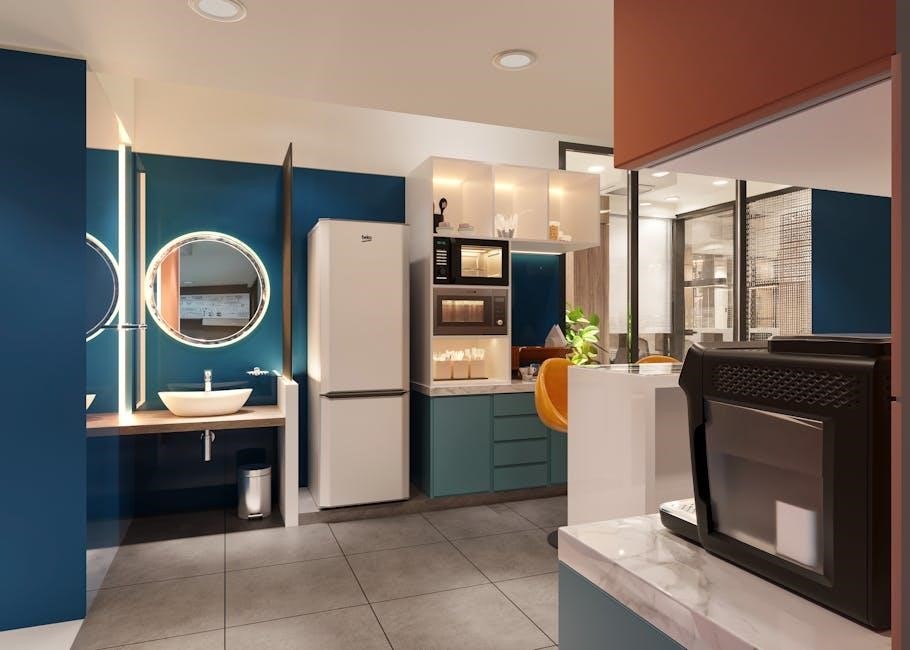
Carefully unpack your Bosch refrigerator and inspect it for any shipping damage. Ensure the appliance is placed on a level surface‚ allowing adequate ventilation around the sides and back – consult the manual for specific clearances.
Connect the refrigerator to a grounded electrical outlet‚ verifying the voltage matches the appliance’s requirements. If your model includes a water connection for the ice maker or water dispenser‚ follow the provided instructions to connect it properly‚ checking for leaks.
Allow the refrigerator to stand upright for several hours before powering it on‚ enabling the refrigerant to settle. Refer to the manual for detailed diagrams and safety precautions during installation. Proper installation ensures optimal performance and longevity of your Bosch appliance.

First-Time Use: Cleaning and Preparation
Before first use‚ thoroughly clean the interior of your Bosch refrigerator with a mild detergent and warm water. Remove all packaging materials‚ including any protective films. Wipe down the shelves‚ door bins‚ and crisper drawers.
Ensure all removable parts are washed and dried before replacing them. For models with a water dispenser‚ flush the water line by dispensing several gallons of water to remove any air or impurities.
Check that the refrigerator is level and adjust the feet if necessary. Allow the refrigerator to cool for several hours before stocking it with food‚ referencing the manual for optimal temperature settings.

Understanding the Control Panel
The control panel displays symbols for various functions. Adjust temperature settings and explore features like Super Cooling and Holiday Mode‚ as detailed in your manual.
Display Symbols and Indicators
Understanding the symbols on your Bosch refrigerator’s control panel is crucial for optimal operation. The display utilizes various indicators to communicate the appliance’s status. A snowflake symbol typically represents the freezer temperature setting‚ while a droplet indicates humidity control within the crisper drawers.
Temperature indicators show the current set temperatures for both the refrigerator and freezer compartments. Warning lights will illuminate if a temperature deviation occurs‚ signaling a potential issue. Other symbols may denote activated functions like Super Cooling or Holiday Mode. Refer to your specific model’s manual – accessible via the E-Nr on bosch-home.com – for a comprehensive explanation of each symbol and its corresponding meaning. Properly interpreting these indicators ensures efficient and safe refrigerator use.
Temperature Settings and Adjustments
Adjusting the temperature is essential for preserving food quality. Your Bosch refrigerator allows precise temperature control for both the refrigerator and freezer compartments. Use the control panel buttons to raise or lower the set temperatures‚ typically displayed in Celsius or Fahrenheit.
Optimal refrigerator temperature is generally between 2°C and 7°C (36°F and 45°F)‚ while the freezer should be set to -18°C (0°F) or lower. Remember that frequent door openings and adding warm food can temporarily affect internal temperatures. Consult your appliance’s manual – found using the E-Nr at bosch-home.com – for specific recommendations and to understand any available temperature presets or automatic adjustment features.
Special Functions: Super Cooling‚ Holiday Mode
Bosch refrigerators often include helpful special functions. “Super Cooling” rapidly chills newly added groceries‚ preserving freshness and flavor. Activate this feature via the control panel; it automatically deactivates after a set period. “Holiday Mode” is designed for extended absences.
It raises the refrigerator temperature slightly while maintaining a frost-free freezer‚ minimizing energy consumption. Refer to your appliance’s specific manual – accessible with your E-Nr at bosch-home.com – for detailed instructions on activating and utilizing these functions. Understanding these features optimizes performance and energy efficiency.

Refrigerator Features
Bosch refrigerators boast adjustable shelves‚ convenient door bins‚ and advanced crisper drawers for optimal food storage. Enjoy bright interior lighting too!
Adjustable Shelves and Door Bins
Maximize storage flexibility within your Bosch refrigerator with its thoughtfully designed shelving system. The adjustable shelves allow you to customize the interior space to accommodate items of varying heights and sizes – from tall bottles and pitchers to larger platters and casserole dishes. Easily reconfigure the shelf arrangement to create optimal organization for your groceries.
Furthermore‚ the door bins are also adjustable‚ providing versatile storage for frequently accessed items like condiments‚ beverages‚ and dairy products. Many Bosch models feature gallon-sized door bins‚ capable of securely holding larger containers. This adaptable design ensures efficient use of every inch of available space‚ keeping your refrigerator neat‚ organized‚ and easily accessible. Regularly adjusting these features will help maintain optimal food preservation.
Crisper Drawers: Humidity Control
Bosch refrigerators feature advanced crisper drawers designed to extend the freshness of your fruits and vegetables. These drawers incorporate humidity control settings‚ allowing you to create the ideal environment for different produce types. Lower humidity settings are best for fruits‚ preventing premature ripening and spoilage‚ while higher humidity settings are ideal for leafy greens and vegetables‚ maintaining their crispness and hydration.
Properly utilizing these controls significantly reduces food waste and preserves nutritional value. The drawers often have adjustable vents to regulate airflow and moisture levels. Refer to your specific model’s manual for detailed instructions on adjusting the humidity settings for optimal results. Consistent use of these features ensures longer-lasting freshness and flavor.
Lighting System
Your Bosch refrigerator is equipped with a modern lighting system designed for optimal visibility and energy efficiency. Typically‚ Bosch utilizes bright‚ long-lasting LED lighting within the refrigerator and freezer compartments. This illumination ensures easy viewing of all contents‚ even those stored in the back or on higher shelves.
LED lighting offers several advantages over traditional incandescent bulbs‚ including lower energy consumption‚ reduced heat emission‚ and a significantly longer lifespan. Should the light bulb require replacement (though infrequent with LEDs)‚ consult your user manual for specific instructions and the correct bulb type. Proper lighting enhances the user experience and simplifies food organization.

Freezer Features
Bosch freezers offer efficient food preservation with features like No-Frost technology‚ proper freezing instructions‚ and‚ if equipped‚ convenient ice maker operation.
Freezing Food Properly
Optimal freezing preserves food quality and nutritional value. Ensure food is properly packaged in airtight containers or freezer bags‚ removing excess air to prevent freezer burn.
Label and date all frozen items for easy identification and to track storage duration. Quick freezing helps maintain texture; utilize the freezer’s fast-freeze function if available.
Avoid freezing warm food directly‚ as this can raise the freezer temperature and affect already frozen items. Allow food to cool completely before freezing.
Consider portion sizes for convenience and to minimize waste. Refer to food storage guidelines for recommended freezing times to ensure safety and quality. Properly frozen food retains its flavor and nutrients for extended periods.
Ice Maker Operation (if applicable)
If your Bosch refrigerator features an ice maker‚ ensure the water supply is connected and the water filter is properly installed for optimal performance. Allow up to 24 hours for initial ice production after connection.
Monitor ice levels and empty the ice bin regularly to prevent ice from melting and refreezing. The ice maker may temporarily stop producing ice if the bin is full or the freezer temperature fluctuates.
Clean the ice maker periodically according to the manual’s instructions to maintain hygiene and prevent buildup. Discard the first few batches of ice after filter replacement.
Refer to the user manual for specific troubleshooting steps if the ice maker malfunctions or produces insufficient ice.
No-Frost Technology Explained
Your Bosch refrigerator utilizes No-Frost technology‚ eliminating the need for manual defrosting in both the refrigerator and freezer compartments. This innovative system prevents ice buildup by circulating cold air‚ removing moisture before it can form frost.
Benefits include consistent temperatures‚ optimal food preservation‚ and reduced energy consumption. Unlike older models‚ you won’t experience temperature fluctuations during defrost cycles.
However‚ occasional cleaning is still recommended to maintain peak performance. Ensure proper air circulation by avoiding overpacking and blocking vents. Refer to the user manual for detailed cleaning instructions and troubleshooting tips related to the No-Frost system.

Maintenance and Cleaning
Regular cleaning ensures optimal performance and hygiene. Consult your Bosch user manual for detailed instructions on cleaning procedures‚ filter replacements‚ and proper appliance care.
Regular Cleaning Procedures
Maintaining a clean Bosch refrigerator is crucial for hygiene and performance. Begin by disconnecting the appliance from the power supply. Remove all food items and shelving. Wash interior surfaces‚ including walls‚ shelves‚ and door bins‚ with a mild detergent and warm water solution.
Avoid abrasive cleaners‚ as they can damage the surfaces. Rinse thoroughly with clean water and dry completely. Pay special attention to spills‚ cleaning them immediately to prevent staining and odor buildup. The exterior of the refrigerator can be cleaned with a damp cloth and mild soap.
For stainless steel models‚ use a stainless steel cleaner to prevent streaks. Regularly clean the door gaskets to ensure a tight seal. Refer to your specific model’s manual for detailed instructions and recommended cleaning agents.
Defrosting (if not No-Frost)
If your Bosch refrigerator doesn’t feature No-Frost technology‚ manual defrosting is periodically required. Begin by disconnecting the appliance from the power supply and removing all food items. Place towels or trays inside to collect melting water. Leave the refrigerator and freezer doors open to allow ice buildup to thaw naturally.
Avoid using sharp objects or excessive force to remove ice‚ as this can damage the appliance. You can speed up the process by placing bowls of warm water inside. Once all ice has melted‚ thoroughly dry the interior with a clean cloth.
Reconnect the refrigerator to the power supply and allow it to reach the desired temperature before restocking with food. Consult your manual for specific defrosting instructions related to your model.
Filter Replacement (Water Filter‚ Air Filter)
Maintaining optimal performance requires regular filter replacement. For refrigerators with a water filter‚ replace it every six months‚ or as indicated by the filter indicator light. Consult your Bosch refrigerator’s manual for the correct filter type and replacement instructions. A fresh water filter ensures clean‚ great-tasting water and ice.
If your model includes an air filter‚ replace it annually to eliminate odors and maintain air quality inside the refrigerator. Locate the filter‚ usually in the refrigerator compartment‚ and follow the manual’s guidance for removal and installation.
Proper filter replacement contributes to the longevity and efficiency of your appliance.

Troubleshooting Common Issues
Consult your manual for solutions to cooling problems‚ ice maker malfunctions‚ or unusual noises. Bosch support offers further assistance if needed.
Refrigerator Not Cooling
If your Bosch refrigerator isn’t cooling‚ first verify the power supply and ensure the appliance is plugged in securely. Check the temperature settings; they may have been accidentally adjusted. Confirm that the condenser coils‚ typically located at the back or bottom of the unit‚ are clean and free of dust – a buildup restricts airflow.
Also‚ examine the door seals for any gaps or damage‚ as compromised seals allow warm air to enter. Avoid overcrowding the refrigerator‚ as this hinders proper air circulation. If the issue persists‚ consult your Bosch refrigerator’s user manual for specific troubleshooting steps related to your model. For continued problems‚ contact Bosch customer support for professional assistance.
Ice Maker Problems
Experiencing issues with your Bosch refrigerator’s ice maker? Initially‚ ensure the water supply line is connected and the water supply valve is fully open. Verify the ice maker is switched “on” within the refrigerator’s control panel settings. Check for any ice blockage in the ice maker itself or the water line leading to it; clear any obstructions carefully.
If the ice cubes are misshapen or have an off-taste‚ consider replacing the water filter. Refer to your Bosch refrigerator’s user manual for specific ice maker troubleshooting guidance and diagrams. For persistent problems‚ contact Bosch support for expert assistance and potential repair options.
Unusual Noises
Hearing strange sounds from your Bosch refrigerator? Common noises include the compressor running‚ ice maker cycling‚ and water valve operation – these are generally normal. However‚ loud buzzing‚ clicking‚ or rattling sounds warrant investigation. Ensure the refrigerator is level; an uneven surface can cause vibrations. Check if items inside are rattling against each other.
If the noise persists‚ consult your Bosch refrigerator’s user manual for troubleshooting tips. It may indicate a potential issue with the fan motor or compressor. For concerning or escalating noises‚ contact Bosch customer support for professional diagnosis and repair recommendations to prevent further damage;
Energy Saving Tips
Optimize temperature settings and practice proper food storage to minimize energy consumption‚ as outlined in your Bosch refrigerator’s manual at bosch-home.com.
Optimizing Temperature Settings
Achieving optimal temperatures is crucial for both food preservation and energy efficiency. Your Bosch refrigerator manual provides specific guidance‚ but generally‚ a refrigerator temperature of 37°F (3°C) is recommended. For the freezer‚ -0°F (-18°C) is ideal for long-term storage.
Avoid setting temperatures drastically lower than necessary‚ as this increases energy consumption without significantly improving food preservation. Utilize the control panel to make precise adjustments. Consider the “Super Cooling” function for quickly chilling newly added groceries‚ then return to standard settings. Regularly check temperatures with a thermometer to ensure accuracy. Proper temperature management‚ detailed in your manual‚ extends food freshness and minimizes waste.
Proper Food Storage Practices
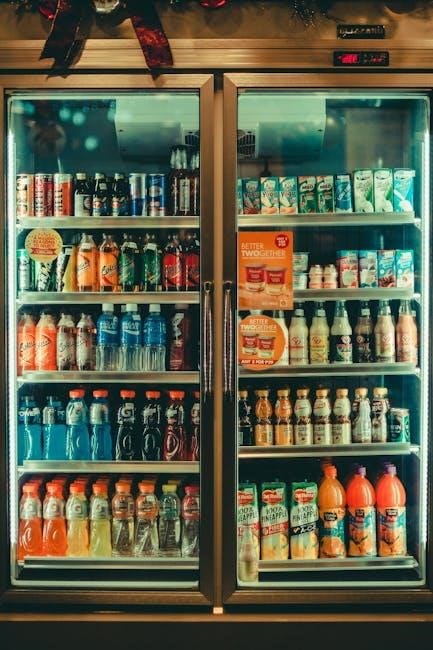
Maximize freshness and minimize spoilage by following recommended food storage guidelines‚ detailed in your Bosch refrigerator manual. Store meats and fish on the lowest shelves to prevent cross-contamination. Utilize crisper drawers with humidity control – higher humidity for leafy greens‚ lower for fruits.
Keep dairy products in the main compartment‚ avoiding the door where temperatures fluctuate. Properly seal leftovers in airtight containers. Avoid overcrowding the refrigerator‚ allowing for proper air circulation. Refer to food safety resources for specific storage times. Following these practices‚ alongside optimized temperature settings‚ ensures food safety and reduces waste‚ as outlined in your appliance’s documentation.
Warranty Information and Support
Your Bosch refrigerator is covered by a limited warranty against defects in materials and workmanship. Specific terms and duration are detailed in the warranty document included with your appliance‚ or accessible online via the model number (E-Nr).
For support‚ including troubleshooting‚ manual downloads‚ and service requests‚ visit bosch-home.com. You can also contact Bosch customer service directly for assistance. Keep your purchase receipt and model number readily available when seeking support. Registering your appliance online streamlines the warranty process and provides access to exclusive offers and updates.