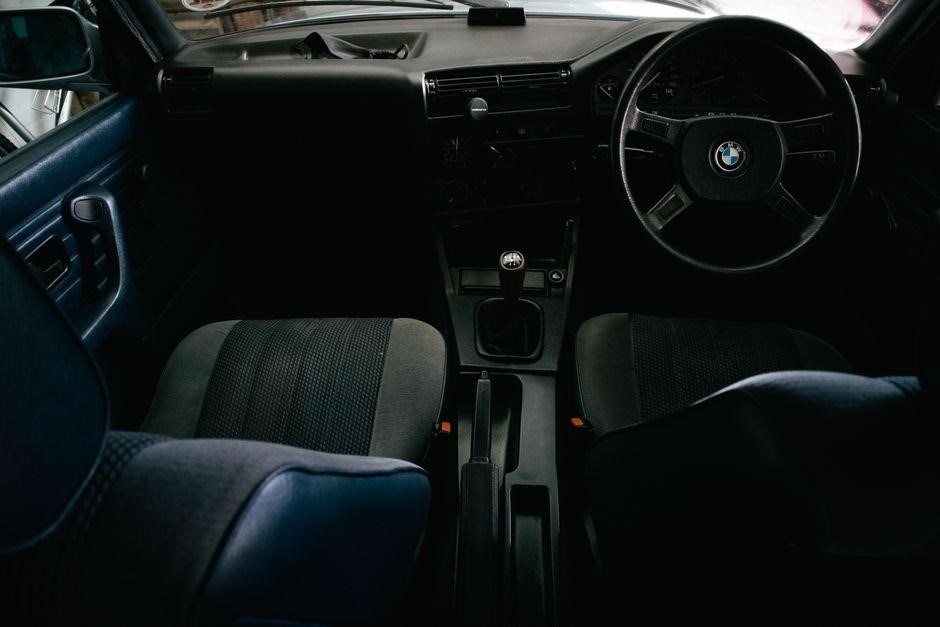
Overview of Manual Gearbox Service
Manual gearbox service involves inspecting clutch, checking gear linkage, cleaning internals, and replacing worn components. Proper fluid, lubrication, and alignment ensures smooth shifting and extend life. Regular maintenance prevents costly repairs Follow torque specs use quality parts for longevity
Transmission Fluid Maintenance
Manual gearboxes rely on clean, correct fluid, for gear lubrication and heat dissipation. Use manufacturer‑specified fluid, check level regularly, and replace per schedule. Proper maintenance reduces wear, improves shift feel, and extends gearbox life. Keep fluid.!
Frequency of Fluid Change (Reddit)
Reddit users often cite a consensus that manual transmission fluid should be changed every 30,000 to 60,000 miles, or roughly every two to three years, whichever comes first. The consensus is based on anecdotal evidence from seasoned mechanics and long‑time owners who report noticeable improvements in shift smoothness and reduced clutch wear after a fluid change. Many respondents recommend inspecting the fluid’s color and odor before deciding to replace it; a dark, burnt smell typically signals oxidation and contamination. If the fluid appears clear and has a mild, sweet scent, some users opt to simply top it up and monitor. However, the majority of the community leans toward a full change when the fluid has been in the gearbox for more than 36 months, regardless of mileage, because the internal seals and bearings can degrade over time. Some users also mention that newer vehicles with sealed transmissions may not require fluid changes at all, but for most older models, the 30k–60k mile interval remains the safest bet. It’s also common to pair a fluid change with a clutch inspection, as a fresh fluid can help mitigate clutch slippage. Ultimately, the Reddit consensus emphasizes that following the manufacturer’s recommendation, coupled with regular visual checks, provides the best balance between cost and longevity. Additionally, some threads highlight that extreme driving conditions—such as frequent short trips, heavy towing, or high‑altitude operation—can accelerate fluid degradation, warranting earlier changes. Users also advise using a high‑quality synthetic manual transmission fluid, which offers better thermal stability and reduced wear compared to conventional oils. Finally, many respondents suggest logging each fluid change in a maintenance journal, noting mileage, fluid type, and any shift anomalies, to track long‑term trends and make informed decisions for future service intervals. Some Redditors also recommend performing a fluid flush rather than a simple drain, especially if the gearbox has been in operation for several years. A flush removes more sludge and metal particles, potentially extending the life of the gears. However, this method requires specialized equipment and can be more expensive, so it’s often reserved for severe cases. DIY tutorials on YouTube and forums offer step‑by‑step guidance for draining, flushing, and refilling the gearbox. They stress using a calibrated dipstick, checking level after warming, and staying within the manufacturer’s range. Following these steps helps maintain gear performance and avoid costly repairs. Remember to always dispose of old fluid responsibly, following local regulations to protect the environment.
Types of Transmission Fluid (Blauto)
Blauto highlights that manual transmissions typically use either conventional mineral oil or high‑performance synthetic blends. Conventional fluids are for older gearboxes but oxidize faster under very high‑temperature conditions! Synthetic blends, on the other hand, offer superior thermal stability, lower viscosity at low temperatures, and a longer service interval. The article recommends matching the fluid to the manufacturer’s specification, which can be found in the owner’s manual or on a label inside the gearbox. For many 1990s and early 2000s models, a 75W‑90 mineral oil is standard, while newer vehicles may require a 75W‑80 synthetic. Blauto notes that manufacturers specify a “manual transmission fluid” (MTF) that reduces clutch wear, engagement! When selecting a fluid, it’s crucial to check the API rating; a fluid with an API GL‑5 rating is common for manual gearboxes, providing adequate protection against wear. If the vehicle is frequently used in extreme conditions—such as towing, high‑altitude driving, or short‑trip operation—Blauto advises opting for a higher‑grade synthetic that can handle increased heat and reduce sludge buildup. Finally, the article stresses the importance of using a fluid that is compatible with the gearbox’s seals and bearings to avoid leaks or premature failure. By carefully choosing the right type of fluid and adhering to the recommended change interval, owners can maintain smooth shifting and extend the life of their manual transmission.
Clutch Inspection and Replacement
Inspect the clutch by checking pedal feel, slippage, and clutch fork movement. Look for worn pressure plate, damaged release bearing, and hydraulic fluid leaks. Replace components when wear exceeds manufacturer limits. Proper torque and alignment prevent premature failure.Check for fluid leaks.Inspect
Signs of Clutch Wear (Blauto)
Clutch wear manifests through a range of symptoms that can be identified by both drivers and mechanics. The most common indicators include:
- Slipping: The engine revs higher than the vehicle’s speed, especially when accelerating or climbing hills.
- Pedal feel: A soft, mushy, or uneven clutch pedal that requires more effort to engage.
- Noise: A grinding or squealing sound when engaging or disengaging the clutch, often caused by worn friction material.
- Heat: Excessive heat buildup in the clutch assembly, which can be felt in the pedal or the surrounding area.
- Hydraulic leaks: Fluid pooling under the vehicle or a noticeable drop in fluid level, indicating a seal failure.
- Reduced performance: Difficulty shifting into higher gears or a noticeable loss of power during acceleration.
Professional inspection often reveals subtle wear patterns that may not be obvious during normal driving. By monitoring clutch pedal travel, checking for fluid discoloration, and inspecting the pressure plate for scoring, mechanics can predict failure before it leads to a costly gearbox rebuild. Regular maintenance schedules, tailored to vehicle usage, help keep the clutch system reliable and extend overall transmission life.
Checks keep the clutch and protect the gearbox daily.
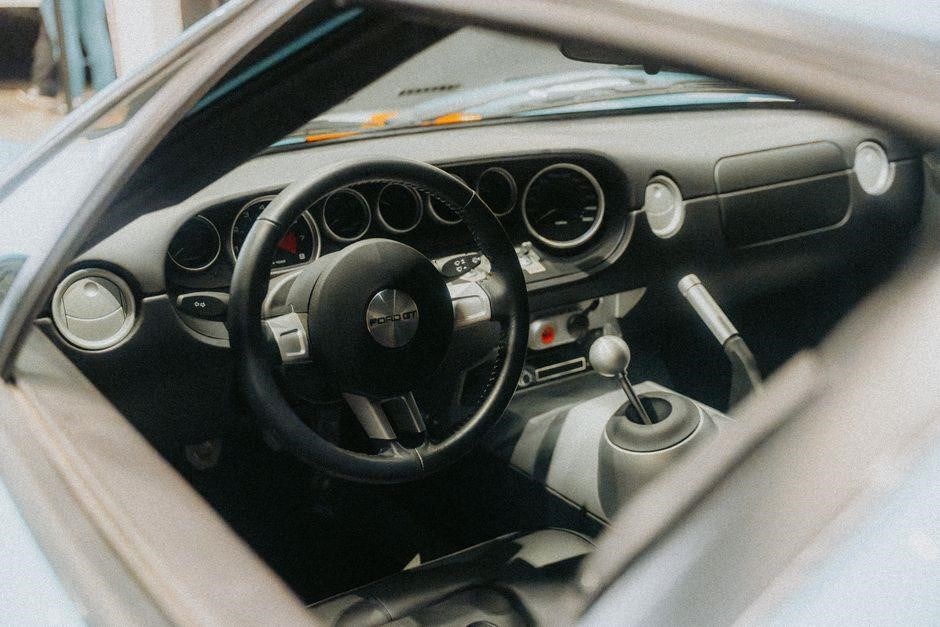
Gearbox Component Checks
Inspect gear teeth for wear, verify synchronizer bushings, check shift fork alignment, examine bearings for noise, and confirm oil level and quality. Use a feeler gauge to measure clearances, ensuring smooth operation. Also verify clutch release bearing inspect bearing.
Common Gearbox Issues (YouTube)
Manual transmissions can develop problems that affect shift quality and longevity. The most frequent issues include:
- Gear tooth wear: Friction erodes teeth, causing rough shifts and noise.
- Synchronizer failure: Worn rings make matching speeds hard, leading to grinding.
- Shift fork damage: Bent forks prevent proper gear engagement.
- Bearing degradation: Seized bearings cause rough operation and vibration.
- Clutch release bearing wear: Slipping or delayed engagement affects acceleration.
- Oil contamination: Metal particles accelerate wear and clog synchronizers.
- Incorrect fluid level or type: Wrong fluid or low levels reduce lubrication.
- Improper gear alignment: Misaligned gears cause uneven contact and premature failure.
Regular inspections, proper fluid changes, and timely component replacement mitigate these problems and maintain smooth operation. Ignoring early symptoms can lead to costly repairs or a complete gearbox replacement.
These issues stem from neglecting fluid changes or wear. Addressing them early can prevent catastrophic failure and extend gearbox life.
When diagnosing, technicians use diagnostic tools to check gear mesh, clutch engagement, and fluid condition. Proper maintenance schedules reduce the likelihood of these failures.
Servicing ensures components meet specs, reducing wear and extending gearbox lifespan of vehicle!!
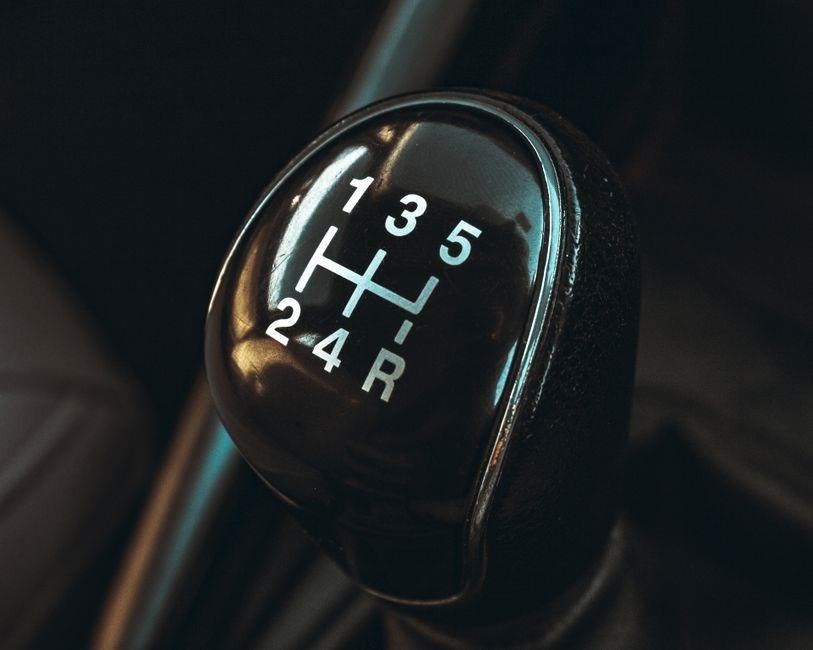
Service Procedure and Tools
Step‑by‑step, lift the car, remove the gearbox, drain fluid, inspect gears, replace worn parts, re‑install, re‑fill with correct fluid. Essential tools: jack, stands, socket set, torque wrench, gear puller, fluid pump, and a leak detector. Follow safety first.!!!!!
Essential Tools for Service (Blauto)
When servicing a manual gearbox, a specific set of tools ensures efficiency and safety. The core kit includes:
- Jack and jack stands – to lift and secure the vehicle.
- Socket set (metric and standard) – for removing bolts and nuts.
- Torque wrench – to achieve manufacturer‑specified torque values.
- Gear puller or gear removal kit – for extracting gears without damage.
- Fluid pump and drain pan – to remove and refill transmission fluid accurately.
- Leak detector or dye kit – to identify any fluid leaks post‑assembly.
- Inspection mirror and flashlight – to view hidden areas inside the gearbox.
- Clutch alignment tool – to set the clutch plate correctly during reassembly.
- Gasket scraper and sealant – for preparing mating surfaces.
- Manual or service manual – reference for torque specs and procedures.
Using these tools not only speeds up the job but also reduces the risk of damage and extends the gearbox’s lifespan.
These tools enable torque settings, clean assembly, and reduce the risk of costly errors, extending gearbox life
Investing in tools not only shortens labor time but also safeguards the gearbox’s internal components from contamination. A assembly translates into fewer failures, shifts, and longer service interval for the vehicle. Proper tool selection contributes to a driving experience and reduces costs over time for drivers!
Safety Precautions (YouTube)
Before beginning any gearbox work, secure the vehicle on a flat surface and engage the parking brake. Use a hydraulic jack to lift the front or rear wheels, then place sturdy jack stands under the designated support points. Never rely solely on the jack; the stands are the only reliable support. Disconnect the battery to eliminate electrical hazards, especially when working near the clutch pedal or starter. Wear safety glasses or a face shield to protect against splashes of transmission fluid or debris. Hand protection is essential; nitrile gloves shield against fluid and oil. Keep the work area clean and dry; a wet floor can cause slips and damage components. Use a proper fluid pump and drain pan to avoid spills, and dispose of used fluid in accordance with local regulations. When removing or installing bolts, apply torque only to the specified values; over‑torquing can crack housings or damage seals. Inspect all fasteners for wear or corrosion before reassembly. Finally, after reassembly, perform a test drive in a controlled environment to confirm smooth shifting and no leaks before returning the vehicle to normal use. Inspect the clutch release bearing for wear and replace if needed and it. Use a torque wrench to set the clutch pedal adjustment to the manufacturer’s specifications, ensuring a neutral position and proper pedal feel. Keep a log of all maintenance actions, noting dates, mileage, and any anomalies observed during operation. This documentation aids future diagnostics and helps maintain warranty coverage.!
Professional vs DIY Service Advice
Professional service guarantees accurate torque, proper alignment, and warranty support, using OEM tools and expertise. DIY saves cost but risks mis‑torquing, improper lubrication, or hidden wear, potentially leading to costly repairs. Choose based on skill, tools, and vehicle complexity. for peace of
Cost Estimation (Reddit)
According to community discussions on Reddit, the cost of a manual gearbox service can vary widely based on vehicle make, labor rates, and the extent of work required. A basic fluid change and filter replacement typically runs between $80 and $150. If the clutch assembly needs replacement, labor can add $300–$600, plus the clutch kit itself, which ranges from $200 to $800 depending on OEM or aftermarket parts. Full rebuilds, which involve disassembly, inspection, replacement of gears, bearings, synchronizers, and re‑assembly, can cost anywhere from $1,200 to $3,500. Some users report that DIY approaches can cut labor costs by 50‑70%, but the risk of improper installation or hidden damage can lead to additional expenses. It’s also important to factor in the cost of quality transmission fluid—$25 to $50 per quart—and any ancillary parts such as seals, gaskets, or new shift linkage components. Regional labor rates can add another 20‑30% to the total. Finally, many Redditors advise getting a written estimate from a reputable shop and comparing it to a DIY quote to ensure a fair price. Always verify that the shop uses the correct fluid type and follows manufacturer torque specifications to avoid future complications.
In addition, some shops offer bundled service packages that include a full fluid flush, filter change, and a basic inspection for $250–$400, which can be more economical than separate services. Warranty coverage on parts can range from 12 months to 3 years, and some manufacturers offer extended warranties for $50–$100 per year. When budgeting, remember that unexpected wear—such as worn synchronizers or damaged gear teeth—can push the total cost beyond the initial estimate by an additional $500–$1,000. Therefore, it is prudent to set aside a contingency budget of at least 15% of the quoted price. Finally, many Reddit users recommend checking the vehicle’s service history and inspecting the gearbox for signs of wear before committing to a rebuild, as early detection can prevent costly future repairs. Always keep receipts and documentation for resale value.