Overview of the Roman Catholic Funeral Mass
The Roman Catholic Funeral Mass is a solemn liturgy that honors the deceased, offers prayers for the soul, and affirms hope in eternal life. It follows the Order of Christian Funerals, beginning with a vigil, proceeding to the Mass proper, and concluding with rites outside the Mass. A final blessing concludes.
1.1 Purpose and Theological Significance
In the Roman Catholic tradition, the funeral Mass is not merely a ritual of mourning but a profound affirmation of the Church’s belief in the resurrection and the communion of saints. The liturgy is grounded in Scripture, especially the New Testament passages that proclaim Christ’s victory over death, and in the theology that the body and soul are united in a single person. The Mass invites the living to participate in the mystery of Christ’s death and resurrection, offering prayers for the departed and for those who remain. The Eucharistic celebration, with its consecrated bread and wine, serves as a memorial of the Last Supper and a reminder that the Church continues to share in the sacrifice of Christ. The prayers of the faithful, the readings from the Old and New Testaments, and the responsorial psalm all point to the hope that the soul will be reunited with God in the life to come; The Mass also provides a communal context for the living to express grief, receive comfort, and reaffirm their own faith. Through the liturgy, the Church teaches that death is not an end but a transition, and that the faithful are called to live with the assurance of eternal life, as promised by Jesus. The funeral Mass therefore serves both as a memorial to the deceased and as a catechetical moment for the living, reinforcing the doctrine of the communion of saints and the promise of resurrection. It is a moment of grace that invites the community to pray, to remember, and to celebrate the mystery of life, death, and the hope of the resurrection. The liturgical rites are carefully structured to reflect the stages of grief, from the vigil’s quiet reflection to the celebratory Eucharist, culminating in the blessing that sends the faithful back into the world with renewed faith. Moreover, the use of specific hymns and the licensing under One Licence 631541-A underscore the Church’s respect for sacred music as a vehicle for worship and remembrance. In sum, the funeral Mass is a living testament to the Christian hope that death is a passage, not a destination, and that through Christ’s triumph, all believers are invited into the promise of eternal communion with God.
Structure of the Order of Service PDF
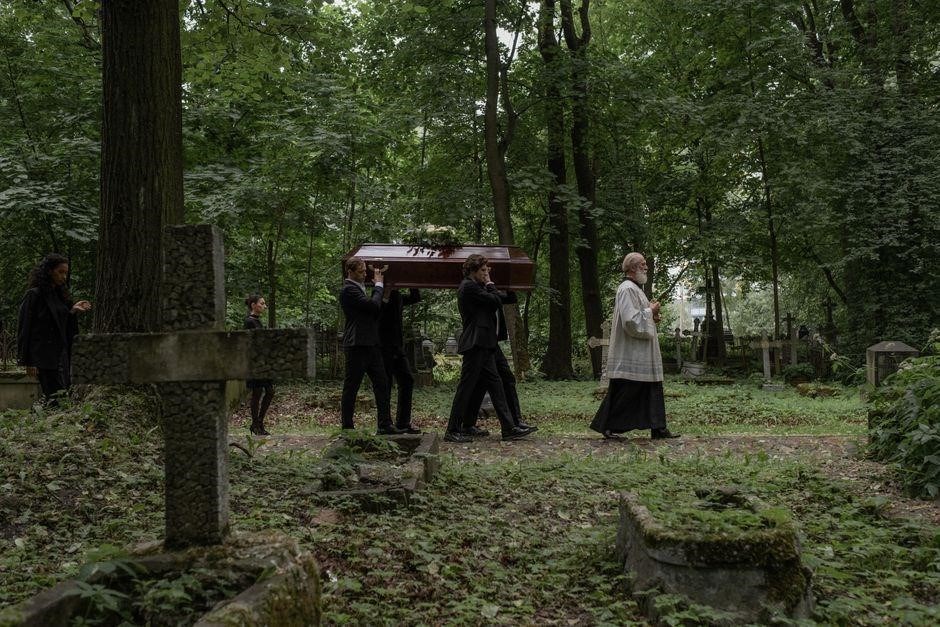
The PDF outlines three main sections: 1) Vigil for the Deceased, featuring readings, prayers, and a procession. 2) Funeral Mass Proper, with the liturgy, Eucharist, and final blessing. 3) Funeral Outside Mass, including rites, eulogy, and committal. It lists optional prayers, music licensing, and a template for custom now
2.1 Vigil for the Deceased
The vigil is the first part of the funeral order, conducted before the Mass. It begins with the entrance procession, where the coffin is carried into the church, accompanied by a priest, deacon, and the family. The priest offers a brief homily, reminding attendees of Christ’s promise of eternal life. A selection of Scripture readings from the Jerusalem Bible 1966 is read, often an Old Testament passage, followed by a responsorial psalm sung by the choir or congregation. The priest then recites the Prayers of the Faithful, asking for the soul’s repose and for the living to find comfort. If music is present, a hymn licensed under Licence 631541-A may be performed. Finally, the vigil ends with a blessing, the priest saying, “May the Lord grant rest to the soul of the deceased, and may the living be strengthened in faith.” The vigil sets the tone for the Mass, offering a moment of reflection and communal prayer before the Eucharistic celebration.
The vigil also includes the lighting of candles, the laying of flowers, and the recitation of the Our Father and Hail Mary. A priest may offer a brief eulogy, and family members may share memories. The congregation may sing a hymn or chant a psalm. After the liturgy, the coffin is carried to the burial site, where a final blessing is pronounced. The vigil concludes with a moment of silence, allowing everyone to reflect on the promise of resurrection and the hope of eternal rest.
During the vigil, the priest may also say the Prayer of the Holy Spirit, asking for guidance and peace for the family. The congregation may light a candle each, symbolizing the light of Christ that guides the soul toward the heavenly kingdom. May peace be with all, and love!
2.2 Funeral Mass Proper
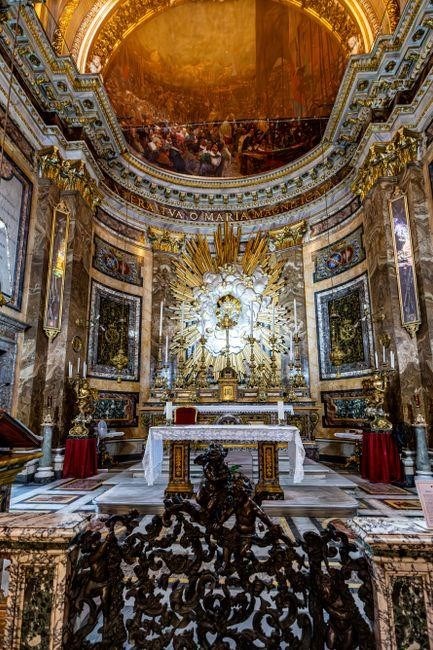
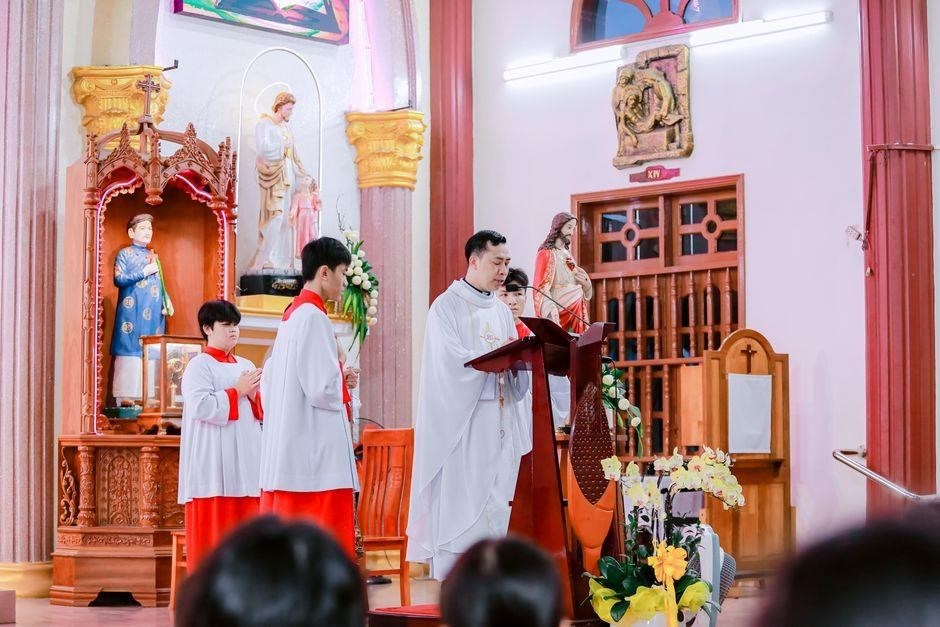
The Funeral Mass Proper follows the vigil and is the central liturgical celebration. It begins with the entrance procession, where the priest, deacon, and celebrant lead the coffin into the nave. The priest offers a brief homily, reminding the faithful of Christ’s triumph over death and the promise of eternal life. The first reading, taken from the Jerusalem Bible 1966, is read aloud, often an Old Testament passage that speaks of hope and redemption. Following the reading, the responsorial psalm is sung, and the priest recites the Prayers of the Faithful, asking for the soul’s repose and for the living to be strengthened in faith. After the prayers, the priest presents the Eucharistic prayer, which includes the anamnesis, the consecration, and the anamnesis of the death of Christ. The congregation responds with the “Lord, have mercy” and the priest offers the Lord’s Prayer. The consecrated host is then distributed to the faithful. The priest concludes the Mass with a final blessing, saying, “May the Lord grant rest to the soul of the deceased, and may the living be strengthened in faith.” The Mass ends with the recessional hymn, a hymn licensed under Licence 631541-A, and the exit procession. Throughout the Mass, the priest may also say the Prayer of the Holy Spirit, asking for guidance and peace for the family. The congregation may light a candle each, symbolizing the light of Christ that guides the soul toward the heavenly kingdom. May peace be with all, and love!
The Roman Catholic Funeral Mass is a solemn liturgy that honors the deceased, offers prayers for the soul, and affirms hope in eternal life. It follows the Order of Christian Funerals, beginning with a vigil, proceeding to the Mass proper, and concluding with rites outside the Mass. A final blessing concludes.
The Funeral Mass Proper follows the vigil and is the central liturgical celebration. It begins with the entrance procession, where the priest, deacon, and celebrant lead the coffin into the nave. The priest offers a brief homily, reminding the faithful of Christ’s triumph over death and the promise of eternal life. The first reading, taken from the Jerusalem Bible 1966, is read aloud, often an Old Testament passage that speaks of hope and redemption. Following the reading, the responsorial psalm is sung, and the priest recites the Prayers of the Faithful, asking for the soul’s repose and for the living to be strengthened in faith. After the prayers, the priest presents the Eucharistic prayer, which includes the anamnesis, the consecration, and the anamnesis of the death of Christ. The congregation responds with the “Lord, have mercy” and the priest offers the Lord’s Prayer. The consecrated host is then distributed to the faithful. The priest concludes the Mass with a final blessing, saying, “May the Lord grant rest to the soul of the deceased, and may the living be strengthened in faith.” The Mass ends with the recessional hymn, a hymn licensed under Licence 631541-A, and the exit procession. Throughout the Mass, the priest may also say the Prayer of the Holy Spirit, asking for guidance and peace for the family. The congregation may light a candle each, symbolizing the light of Christ that guides the soul toward the heavenly kingdom. May peace be with all, and love!
2;3 Funeral Outside of Mass
When a Catholic funeral is held outside the Mass, the rite follows the Order of Christian Funerals but omits the Eucharistic celebration. The ceremony begins with a procession carrying the coffin to the church or cemetery, accompanied by a hymn licensed under Licence 631541-A. The priest or deacon offers a brief prayer of thanksgiving, acknowledging God’s mercy and the hope of resurrection. A short homily, drawn from Scripture or a pastoral text, reflects on the deceased’s life, virtues, and the promise of eternal life. The officiant then reads a selected Old Testament passage, often from the Jerusalem Bible 1966, followed by a responsorial psalm sung by the choir or congregation. After the readings, the priest recites the Prayers of the Faithful, asking for the soul’s repose and for the living to be strengthened in faith. The ceremony concludes with a final blessing, the Lord’s Prayer, and a hymn licensed under Licence 631541-A. The family may light a candle or lay a wreath, symbolizing the light of Christ and the continuity of life. The exit procession follows, with the congregation leaving the cemetery in quiet reflection, carrying the memory of the deceased into the world of the living. May the Lord grant rest to the soul and comfort to the family.
During the service, a brief moment of silence is led. The priest offers an intercessory prayer for deceased. After final blessing, family may say a prayer or read a favorite scripture. Exit procession is accompanied by a hymn, and coffin is lowered. Flowers may be left at gravesite. May the Lord grant peace. Amen!
Liturgical Texts and Readings
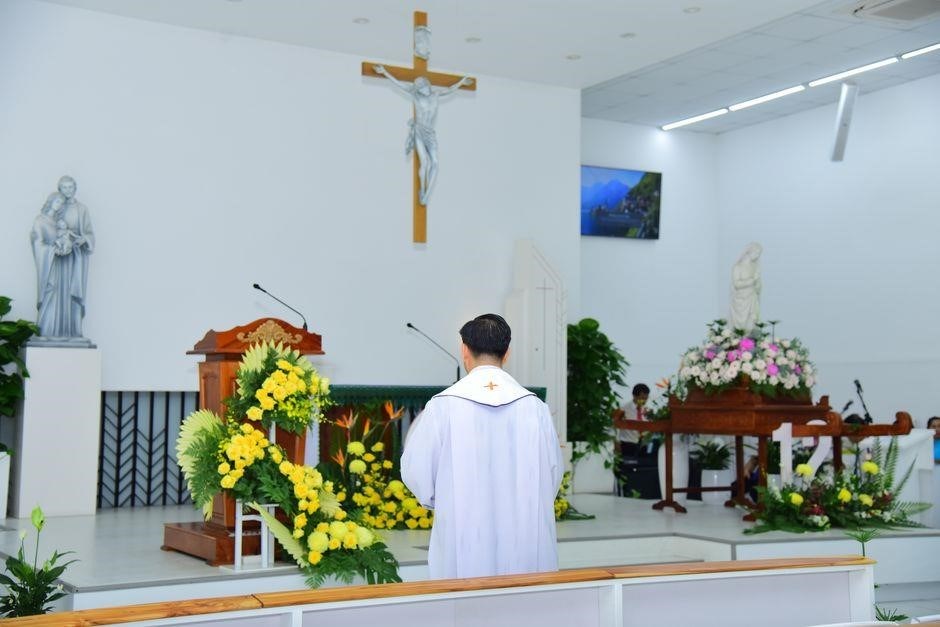
Liturgical texts follow the Order of Christian Funerals. Scripture readings are drawn from the Jerusalem Bible 1966, with Old Testament passages chosen for the vigil and New Testament selections for Easter. A responsorial psalm is sung, and prayers of the faithful follow. The final blessing invites living to pray.!
3.1 Scriptural Readings (Old Testament & New Testament)
During the Roman Catholic Funeral Mass, the Order of Christian Funerals prescribes specific scriptural readings that reflect the themes of mourning, hope, and resurrection. The first reading is traditionally drawn from the Old Testament, selected to emphasize God’s covenantal faithfulness and the promise of salvation. A family member or a chosen reader recites this passage aloud, often from the Jerusalem Bible 1966 edition, which provides a faithful and accessible translation. The second reading, taken from the New Testament, is chosen to highlight the Resurrection of Jesus, especially during the Easter season, underscoring the triumph over death. The responsorial psalm, a Song of Praise, follows the readings and is sung by the choir or congregation when musicians are present, in accordance with the General Instruction to the Roman Missal, ensuring consistency in language and theological emphasis. Throughout the service, the readings serve as a theological anchor, guiding the faithful in prayer for the deceased and reminding them of the promise of eternal life. The careful selection of passages from both Testaments provides a balanced narrative that honors God’s redemptive work and invites the community to participate in the liturgical celebration of death as a passage to new life. This selection invites the faithful to reflect on the promise of resurrection.!
Musical Elements, Psalms, Hymns, and Licensing
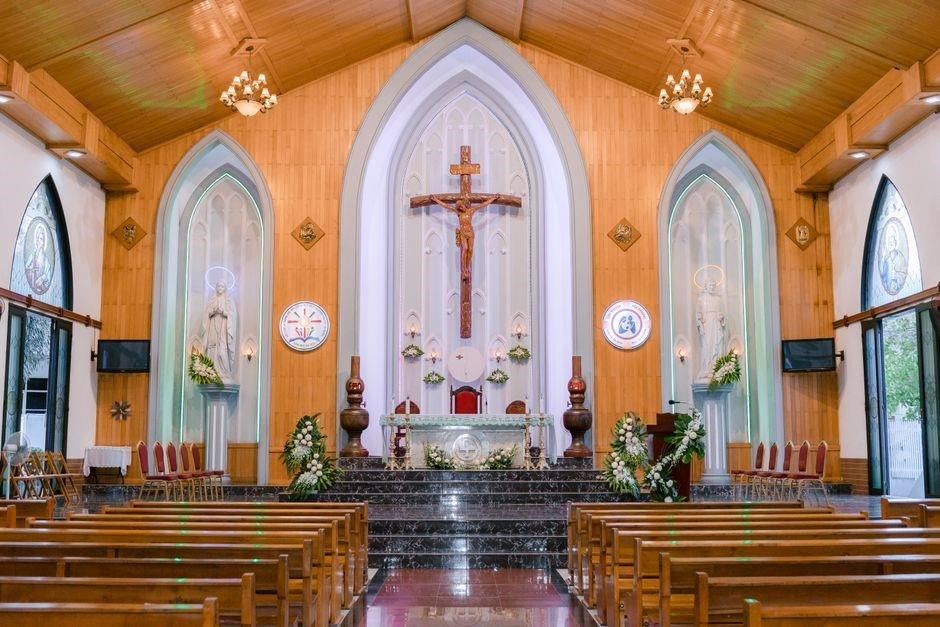
All music, hymns, and the responsorial psalm are reproduced under One Licence 631541‑A. When musicians are present, the General Instruction to the Roman Missal (GIRM) requires the responsorial psalm to be sung, ensuring liturgical uniformity. for all rites ok
4.1 Repertoire, Responsorial Psalm, and Licensing (One Licence 631541-A)
Repertoire for a Roman Catholic funeral Mass is carefully selected to reflect the solemnity of the rite and to support the liturgical texts. The Order of Christian Funerals specifies that the responsorial psalm must be sung when musicians are available, in accordance with the General Instruction to the Roman Missal (GIRM). The psalm is chosen from the Psalter and is set to a melody that is both reverent and accessible to the congregation. In addition to the psalm, a selection of hymns is included. All musical material, including hymns, psalms, and any other chant or instrumental accompaniment, is reproduced under the single licence number 631541‑A. This licence covers the entire repertoire used in the funeral service, ensuring that all performers and publishers are compliant with copyright law. The licence also provides the necessary permissions for the use of the texts in printed liturgical books and in digital formats. By using a single licence, the Church simplifies the legal aspects of the service and guarantees that the music remains in harmony with the theological and pastoral aims of the Mass. The repertoire is therefore a vital component of the funeral liturgy, linking the words of Scripture with the worshipful heart of the community. The responsorial psalm is usually Psalm 23 or Psalm 121, chosen for its comforting message and Latin. Hymns such as “Ave Maria” and “Eternal Rest” are set to approved melodies. Licence 631541‑A permits reproduction in printed missals, digital recordings, and live performances, ensuring compliance with copyright and liturgical norms. All arrangements are reviewed by the diocesan music council!
PDF Templates and Customization
Free PDF templates for the Roman Catholic funeral Mass are available online. Download, print, or edit them to suit your parish. Add names, dates, and prayers. The templates follow the official order of service and are fully customizable Use the PDF to honor the deceased.
5.1 Download Sources for Free PDF Templates
Finding a ready‑made Roman Catholic funeral Mass order of service in PDF format is surprisingly straightforward; A number of parish‑run websites and non‑profit ministries host free downloadable templates that mirror the official Order of Christian Funerals. The most frequently cited source is the Catholic Funeral Mass Template portal, which offers a clean .pdf file, a plain‑text version (.txt) for easy editing, and an online viewer that lets you preview the layout before printing. The templates are fully compliant with the General Instruction to the Roman Missal (GIRM) and include the standard elements: the vigil, the Mass proper, and the post‑Mass rites. Because the files are in PDF, you can open them in any PDF reader, print them directly, or import them into a word processor for personalization. The most users prefer the PDF for its fidelity to the original layout, while others use the text file to insert names, dates, and specific prayers. To edit a PDF on a Windows machine, free tools such as PDF‑sam‑basic or LibreOffice Draw will let you add or delete lines without breaking the formatting. On macOS, Preview offers a simple “Text” tool that can be used to insert the deceased’s details. For those who want to avoid software, a number of online PDF editors (e.g., Smallpdf, PDFescape) provide a browser‑based interface that supports form‑field creation and direct printing. Once the template is customized, it is advisable to print a test copy to ensure that all fields are correctly aligned and that the page breaks match the original design. The final printed order can then be bound or stapled for distribution to the family, clergy, and attendees. In addition to the PDF, many sites offer a printable PDF‑to‑Word converter, allowing you to keep a digital copy that can be updated for future services. By leveraging these free resources, parishioners can produce a professional‑looking order of service that respects the solemnity of the Catholic funeral rite while remaining accessible to families who may lack technical expertise.
5.2 Editing and Personalizing the PDF
Once the free Roman Catholic funeral Mass order of service PDF is downloaded, families can tailor the document to reflect the deceased’s life, the parish’s customs, and the wishes of the bereaved. The first step is to open the file in a PDF editor that preserves the original formatting. Free tools such as PDF‑sam‑basic, LibreOffice Draw, or the online editor PDFescape allow users to select text boxes, insert new lines, and replace placeholders like “Name of Deceased” or “Date of Service.” For those who prefer a word processor, converting the PDF to a Word document via Adobe Acrobat or an online converter keeps the layout largely intact while giving full control over fonts, spacing, and alignment. After editing, it is essential to proofread the entire order, ensuring that all scriptural references, prayers, and liturgical titles remain accurate and that no accidental omissions occur. Families often wish to add a brief biographical paragraph, a favorite hymn, or a personal dedication; these can be inserted in the designated “Additional Text” section or as footnotes. When adding new content, use the same typeface (usually Times New Roman or Garamond) and size (typically 12‑point) to maintain visual consistency. If the parish uses a specific color scheme for the order, color‑coding the headings with the parish’s colors can enhance the document’s unity. After finalizing the text, save the file as a new PDF to preserve the edits. Printing on high‑quality paper, with a matte finish, gives the order a dignified appearance. For families who wish to distribute copies digitally, the PDF can be shared via email or uploaded to a cloud storage service, ensuring that all attendees have access to the same, fully personalized order of service.